
The Overlooked Phase of Cancer Care: Home Recovery and The Role of Community Pharmacists

- 42Shares
- Facebook38
- LinkedIn1
- WhatsApp3
Cancer care is often viewed through the lens of hospitals and specialist treatment, yet for many patients, the most challenging phase can begin at home. Patients and caregivers are expected to manage mobility challenges, fatigue, rehabilitation equipment and home safety with far less structure and support than they had in clinical settings.
This post-discharge phase remains one an under-discussed part of the cancer care journey. In the hospital, care is structured. There is a medical team on standby, equipment is set up correctly, and daily routines are guided by professionals. At home, patients and caregivers suddenly have to manage fatigue, mobility limitations, emotional changes and unfamiliar rehabilitation equipment largely on their own. This transition can feel abrupt, especially when the side effects of cancer treatment only start becoming more apparent days or weeks after discharge.
Ms Chia Boon Teng, Rehabilitation Specialist of BIG Pharmacy shared, “One of the biggest gaps is preparedness. Many cancer patients are not fully ready for the physical and emotional changes they experience at home, while caregivers often find themselves unsure how to translate medical advice into day-to-day care. Simple questions become stressful decisions such as — Is the bed height correct? Is the wheelchair adjusted properly? Is the patient moving too little or too much? Without guidance, these uncertainties can increase the risk of falls, discomfort or unnecessary hospital readmissions.”

The home environment itself also plays a role. In multi-generational households, which are common in Malaysia, recovery can be both a comfort and a challenge. Having family around offers emotional support and shared caregiving, but crowded spaces, noise and hygiene concerns can complicate rest and rehabilitation, especially for patients whose immunity may still be low after treatment.
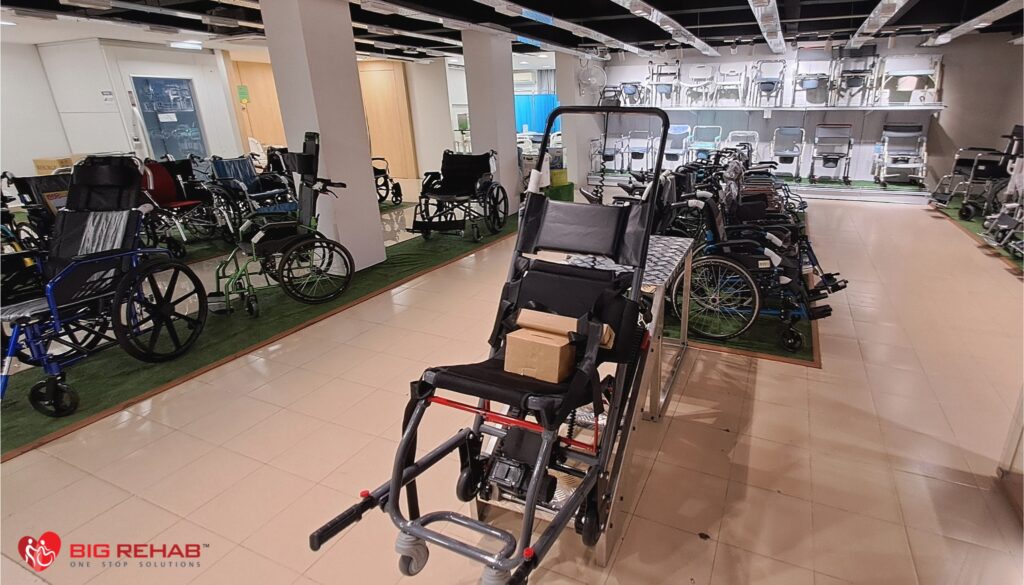
“From what we see on the ground at BIG Rehab, a specialised service under BIG Pharmacy that focuses on rehabilitation and medical equipment, many of these challenges surface once cancer patients return home and caregivers begin managing recovery on their own. Families often seek support unsure of what rehabilitation equipment is truly needed at this stage of cancer recovery,” added Ms Chia.
Underbuying is more common than overbuying, usually because caregivers do not know what to prioritise or assume certain aids are only necessary in more severe cases. In other situations, equipment is already available but used incorrectly, such as walkers set at the wrong height or hospital beds without proper pressure-relief mattresses, which can lead to discomfort or increase the risk of falls.
This is where support from community pharmacies like BIG Pharmacy becomes especially important. Through BIG Rehab, they have rehabilitation equipment that are common for cancer care and recovery, such as hospital beds with ripple mattresses, oxygen therapy support for patients with breathing difficulties, mobility aids like wheelchairs and walkers, and simple tools such as spirometers or hand exercise balls.

Proper guidance to using these equipment also plays a critical role and BIG Pharmacy provides assessment, adjustment and clear explanation based on individual needs that supports recovery rather than becoming another source of stress.
Support also extends beyond physical aids. For families who may not need long-term equipment or are limited by cost, BIG Pharmacy offers rehabilitation equipment rental services that can ease both financial and space constraints. They also offer teleconsultations for dietary advice, wound care, pain management and emotional support. Ms Chia emphasised that the recovery at home does not have to be navigated alone. Planning ahead, asking questions early and seeking guidance from trained professionals can reduce stress, prevent complications and support a smoother recovery journey.
- 42Shares
- Facebook38
- LinkedIn1
- WhatsApp3
