
Why do we have so many government apps?
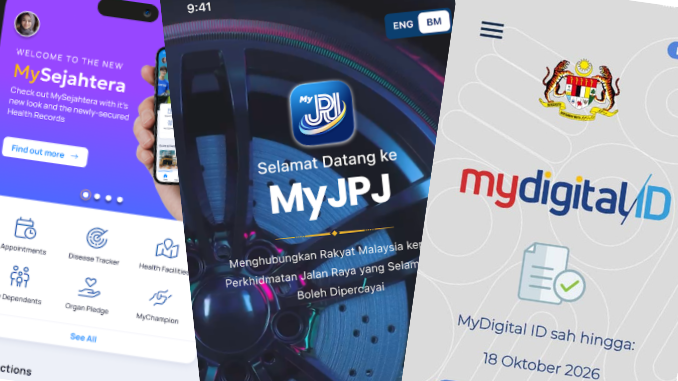
Have you guys ever been stopped by the police at a roadblock? They might ask to see your licence, so you open your MyJPJ app. But… the app just keeps loading until both you and the abang polis are fed up and let you go.
Many of us have experienced bad government apps before. And it’s not just with MyJPJ. There are plenty of apps that make you feel like you want to smash your phone. As the government pushes harder to digitalize public service, we are being asked to download more and more apps.
We understand that the government wants to make things easier. No need to go to a physical counter and wait for hours just to deal with official business. But, in reality it’s not always that convenient. Some apps are good, while others make you think you’re better off just going to the counter instead.
Another issue is, why does a single agency need so many different apps?
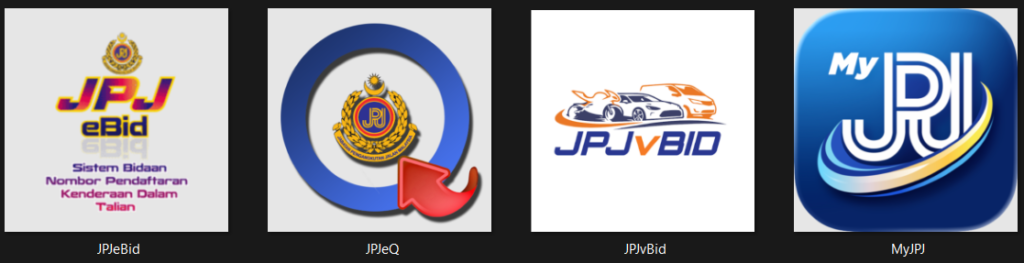
Take JPJ again for example. Other than MyJPJ, they have JPJeBid to bid for vehicle registration numbers, JPJvBid to bid for seized vehicles, and JPJeQ to get queue numbers at JPJ offices. Why not just combine all of them into one app?
While chatting about this with our coworkers, we started asking ourselves: how many apps does the Malaysian government actually have? Or does it just feel like a lot because JPJ has so many of them?
Even though no one asked, we did our own research to see how many government apps we have, how much was spent to develop them, who got the contracts, and whether there are any signs of corruption, cronyism or other issues.
What we found was actually pretty surprising and… a bit of headache to make sense of because…
We found over 300 government apps, but the actual number may be a lot higher
To find out how many apps the government has developed over the years, we turn to the Galeri Aplikasi Mudah Alih Kerajaan Malaysia or GAMMA. First things first, what is GAMMA?
GAMMA is actually another government app. Its main purpose is to bring together all the government apps in one place, so that people can download official government apps from a trusted source instead of having to search for them one by one. As of the time of writing, the platform currently lists 315 government apps.
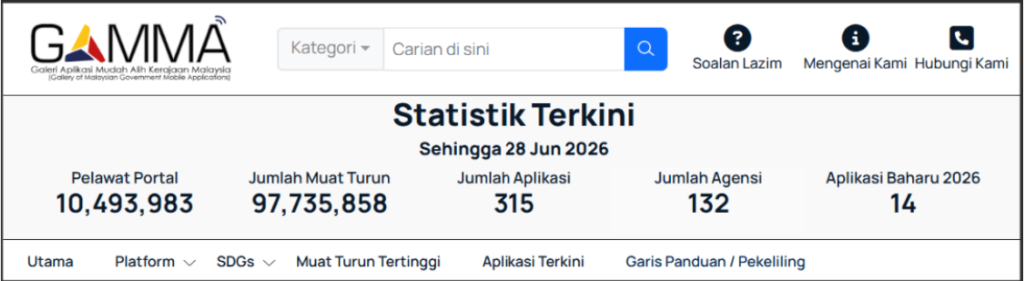
At first, that sounds like a lot. But then again, this is the entire Malaysian government we’re talking about. With hundreds of departments and government agencies, maybe 315 apps aren’t that surprising after all.
After going through the apps listed on GAMMA, we noticed that not all of them are apps that people would actually use on a regular basis. Take UPUPocket, for example. It’s mainly used to check your university or higher learning application status and results. Most people would probably only need it once or twice in their lives.
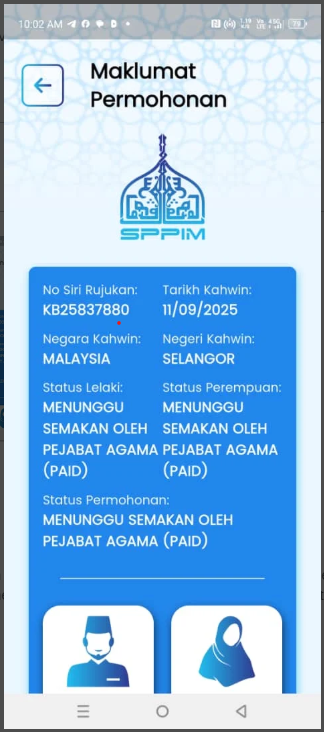
The same goes for MySPPIM, which is used to manage marriage-related documents and applications for Muslims. After all, it’s not like you’re getting married every day. Even if you don’t want to use the app, there’s already a website that lets you do the same thing.
Even though GAMMA says there are 315 apps, a written parliamentary reply from Digital Minister Gobind Singh Deo at the end of last year stated that the government has developed 1,433 apps so far.
We’re not exactly sure why that number is so much higher. After digging through GAMMA and checking both the Play Store and App Store, we were only able to find 283 apps, with eight of them having been launched this year.
One possible explanation is that many of the apps we couldn’t find are meant for internal government use, or these may be apps that were developed in the past but are no longer actively maintained. Even among the 283 apps we found, not all of them are meant for the general public.
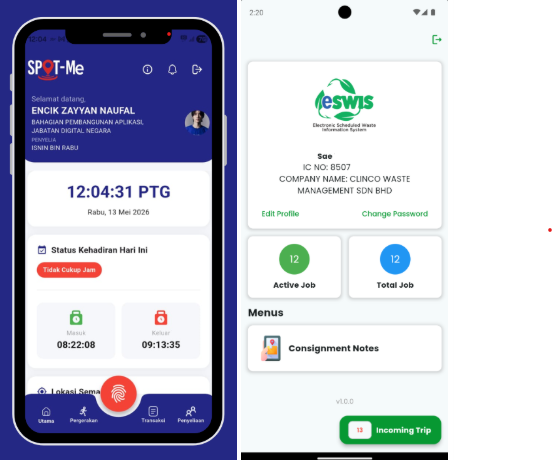
For example, there’s SpotMe, an app used by civil servants to clock in for work. There are also apps built specifically to help government departments carry out their duties. One example is ESWIS Pemandu, which is designed for scheduled waste truck drivers.
After spending a few days staring at our screens and going through the apps we found one by one, we noticed that only around 150 of them are actually meant for public use. Even then, most of them are not essential apps, i.e. apps that you absolutely need to download and use if you want to access government services.
Take MyUBAT, for example. It helps patients collect their medication from government hospitals more easily by setting pickup appointments in advance, which is especially convenient for older patients. But without using the app, they can still just go to the hospital and line up to get their meds as usual.
The same goes for the JPJeQ app we mentioned earlier. While it was said that you absolutely need the app to get a queue number at JPJ branches, our own checks revealed that JPJ staff is willing to help you get a queue number when we walked in without a smartphone.
Anyway, out of those 150 apps, about 30 aren’t even federal government apps. They’re apps developed by state governments, local councils, municipal authorities, and even individual hospitals. Because of that, their application is limited only to people who deal with those organisations.
Despite the number of seemingly unnecessary government apps out there, some of them have been received quite well based on the number of downloads due to their utility.
Take the MyUBAT from before, for example. It allows patients to collect their medication without having to spend as much time waiting at the pharmacy. Then there’s i-Kredikom, which helps users find licensed money lenders. Together with the Semak Harga app, which allows you to find the cheapest goods and groceries near your location, all three of these apps have recorded more than 100,000 downloads each.
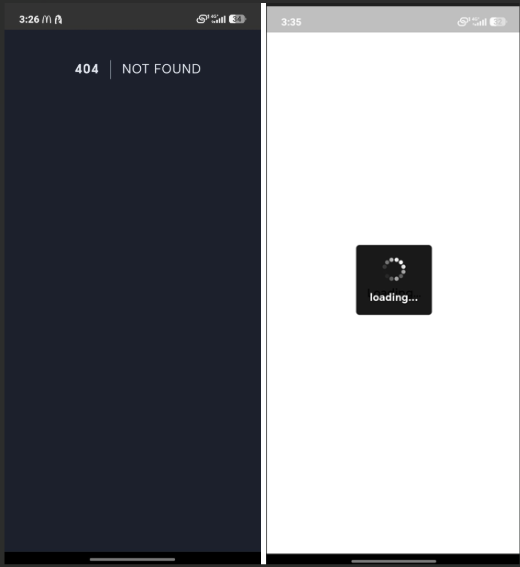
However, for every good-ish government app, there are more terrible apps out there, and some of them seem to have been abandoned altogether. Based on the data we collected, 18 apps haven’t been updated in more than three years. We also found eight apps that couldn’t be used at all when we tested them, either because the servers were down or because the apps got stuck on the loading screen.
So while there are a few apps that are genuinely useful or important, most of them don’t seem to be necessary or don’t work as well as they should. So when there are too many apps like these, it’s understandable why people might start asking…
How much is all these apps costing the taxpayers?
Well, based on how many of us understand government projects, the government usually doesn’t build everything on its own. Instead, they appoint external contractors to develop these projects through tenders, and these contracts can be worth a significant amount of money.
According to the written reply from the Digital Minister that we mentioned earlier, the 1,433 government apps were developed at a total cost of RM1.46 billion. That means, on average, each app costs around RM1.02 million to develop.

To make sure, we checked the government’s ePerolehan website to find out how much each app cost, but for most of these apps, we couldn’t find any public tender or quotation records.
One possible reason is that some apps may have cost less than RM20,000 to develop. Under government procurement rules, projects below this amount do not require an open tender, and government departments can directly appoint a contractor.
Another possibility is that the tenders were uploaded under the wrong category and we missed them, or they may not have been uploaded at all. Either way, for the apps where we could find the information, we noticed that the costs can vary quite a lot.
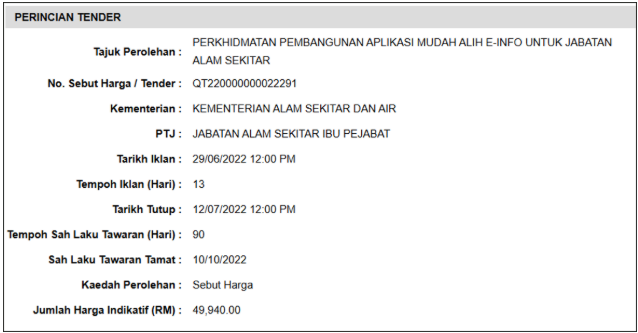
For example, the tender to develop BCARS, an app that helps Public Works Department (JKR) officers assess the condition of government assets, was worth RM185,000. Meanwhile, the development of the e-Info app for the Department of Environment was much cheaper, costing around RM50,000.
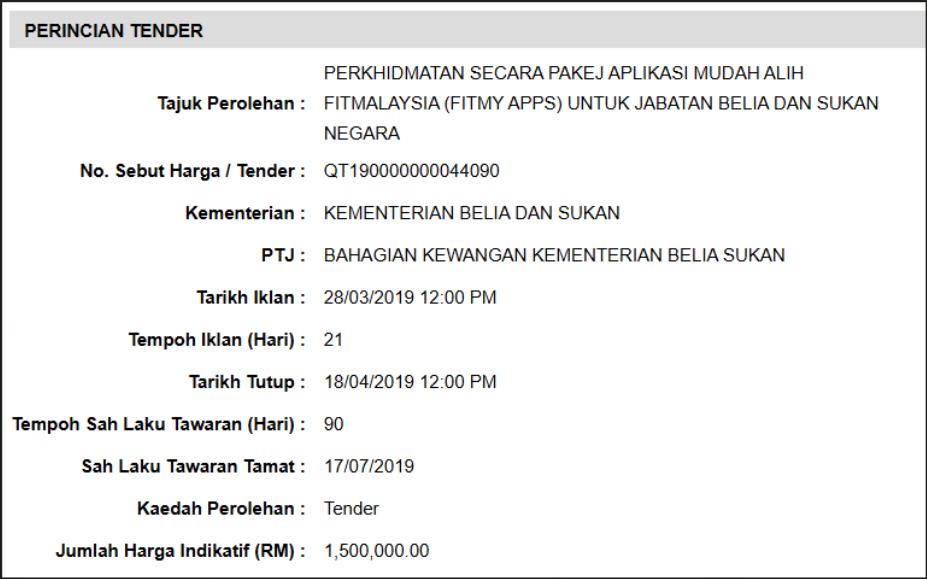
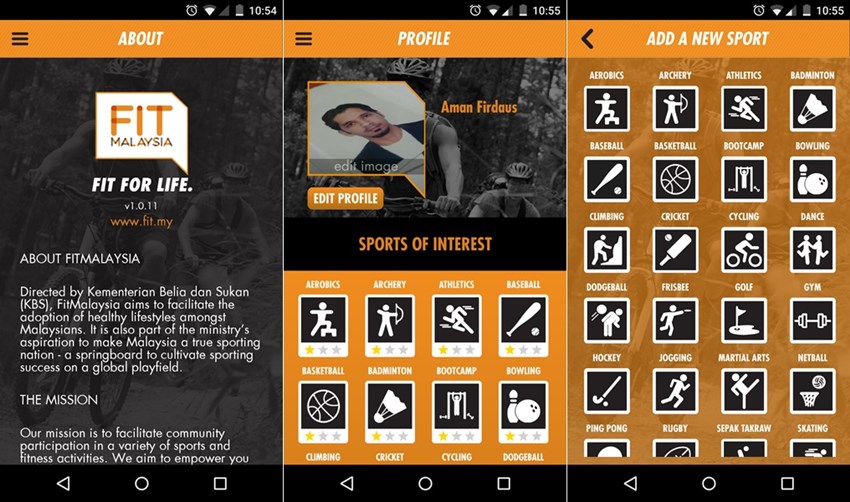
However, the development of the defunct FitMalaysia app under the Ministry of Youth and Sports, was worth around RM1.5 million.
You might have noticed that there’s a sizable range of development prices between these apps. Generally, the cost of developing an app depends on how complex the system is. But in many cases, it also depends on how much additional work is included in the tender package.
Take the FitMalaysia app as an example. Based on the contract documents, the app needed features such as payment systems, booking functions, and integration with other devices. The appointed contractor was not only responsible for developing the app, but also for managing the reward points programme, running fitness promotion campaigns, and providing training for KBS staff to use the system.
In some cases, app development is also bundled together with a web portal or other digital systems under the same tender or quotation. Because of this, we can’t accurately calculate the actual cost of developing each individual app.
What we can only estimate is the general price range, which could be anywhere from tens of thousands to hundreds of thousands of ringgit, depending on the scope and complexity of the system.
And if you think developing an app is already expensive, the maintenance cost can possibly be even higher.
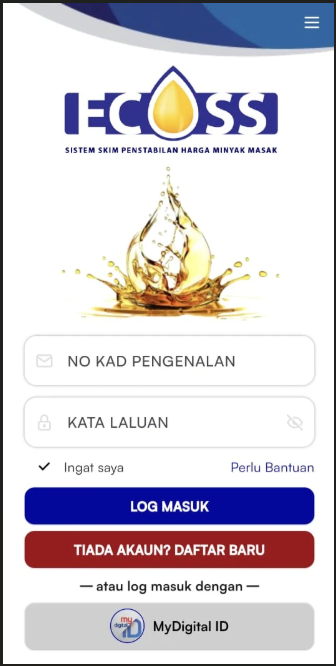
Take eCOSS, an app that is part of the system for purchasing subsidised cooking oil, as an example. When we checked ePerolehan, we found six tenders related to this system. One was for developing the system back in 2019, while the other five were for maintaining and upgrading the system between 2020 and 2025.
Although the initial development cost of the eCOSS system was only around RM46,000, the cost of maintaining and upgrading the system later averaged around RM380,000 each time. That’s roughly eight times higher than the original development cost, roughly yearly.
If this trend applies to many other government apps, the total cost of maintaining and upgrading these apps and systems could be much higher than the RM1.46 billion figure for development mentioned by the Digital Minister earlier.
So when we see the amount of money involved, the question that naturally comes to mind is…
Are there any signs of corruption or cronyism behind all this?
Since there are simply too many government apps, checking every single one would probably take forever. By the time we found all the answers, humans might already be living on the moon.
So, to make things more manageable, we decided to focus on tenders related to apps and digital systems under the Ministry of Domestic Trade (KPDN). This is because KPDN had the highest number of apps among the ministries we looked at, with 17 apps in total, including eCOSS.
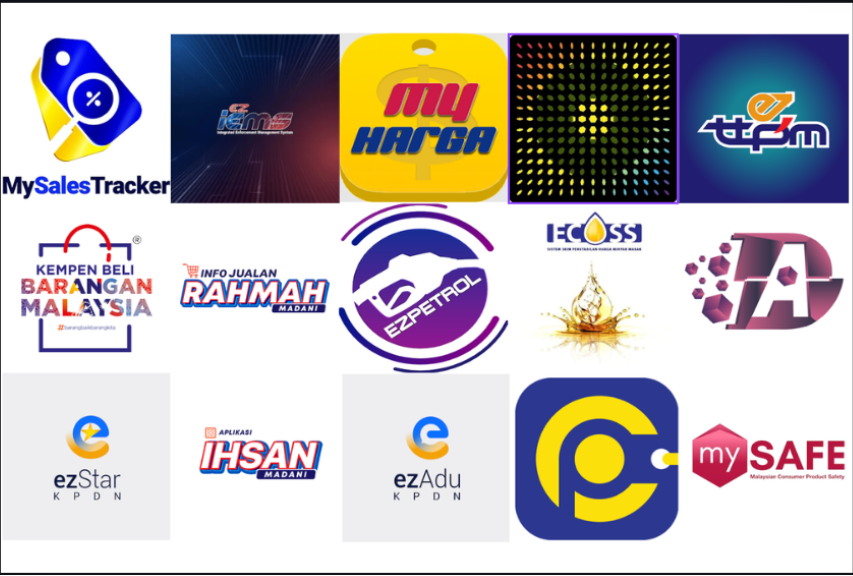
Based on our checks, we found 54 tenders related to KPDN’s apps and digital systems. Out of these, most were awarded to just three companies.
- Opensoft Technologies won 15 tenders (28%),
- Burj Asia Corporation won 13 tenders (24%), and
- SE Infinity won 10 tenders (19%).
- Other companies generally only won one or two tenders each.

After that, we checked the SSM records and looked into the backgrounds of the directors behind these companies. Based on what we found, there wasn’t anything that stood out as suspicious.
For Opensoft and SE Infinity, there wasn’t much public information available about their company directors. As for Burj Asia, one of its directors is the UMNO Permatang Pauh Branch Chief, who previously contested a state assembly seat twice but lost. But that’s about it.
We can’t say there was any “under-the-table payment” involved because there is no evidence showing that these tenders were awarded unfairly or without proper process. It’s possible that these three companies won so many tenders because they already had experience developing government systems. They may also simply have a strong track record compared to other companies.
After all, if a company does good work, what’s wrong with them winning more contracts? And now, we come to the final question:
Is the glut of apps simply the government just digitalising everything because of FOMO?
Many of us have noticed that the government is currently very interested in AI and seems to be using it for almost everything. Whether it’s to increase productivity, improve public services, or transform the government sector, AI has become a major part of the government’s digital push.
But the truth is, this isn’t actually something new.
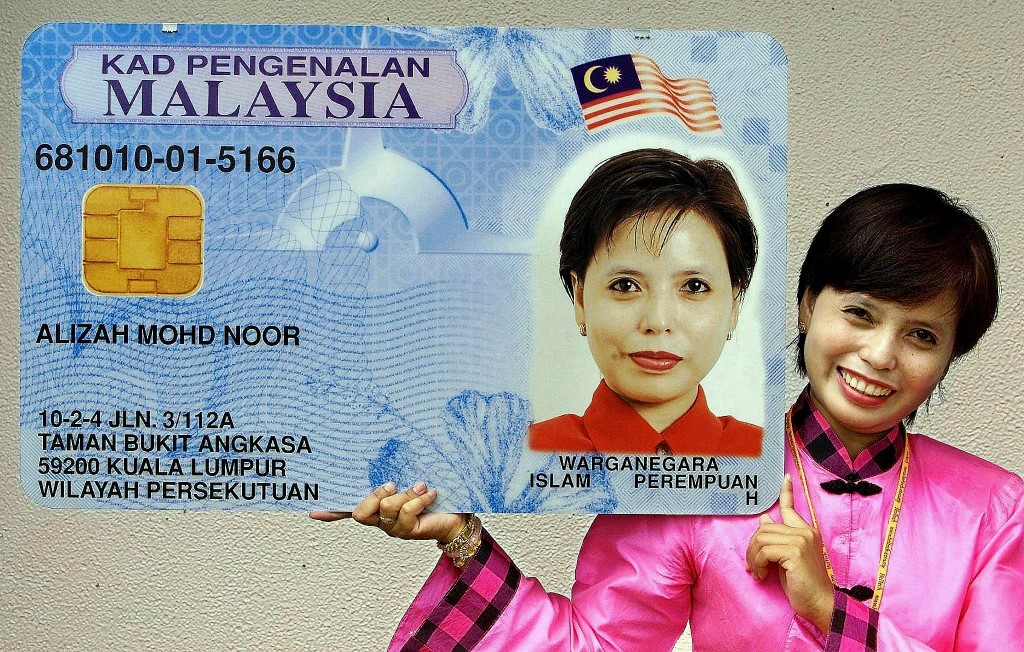
Malaysia started moving towards digitalisation as early as the 2000s. One of the most well-known examples was the MyKad. At the time, our identity card was considered one of the most advanced in the world.
During the same period, the government also developed Cyberjaya and introduced the Multimedia Super Corridor (MSC) to attract tech companies to invest in Malaysia.
After that, various agencies and programmes focused on the digital economy were introduced, including MDEC, which continues to play a role in developing the sector today.

These efforts continued in 2021 when the government launched the National Digitalisation Policy. The goal was straightforward: to move more government services online, manage data better, improve cybersecurity, and expand internet access across the country.
Today, Malaysia also has the Ministry of Digital and the National Digital Department, which are responsible for driving various government digital initiatives.
In short, for more than two decades, the government has been consistently pushing to digitalize as many public services as possible. So it is not surprising that more ministries and agencies have started creating their own apps.
But…
Having more apps doesn’t always make things easier
According to data from the Department of Statistics Malaysia, almost 99.5% of Malaysians own a smartphone, while 97.1% have access to the internet. With such high digital adoption rates, it makes sense for the government to move more services online and offer more digital options.
The idea itself is good, but as usual, the problem often comes down to how it is implemented.
For example, earlier this year, users questioned why they needed to use three separate apps, namely MyNIISe, MyBorderPass, and MyDigital ID, just to handle immigration matters and travel overseas.

When every agency creates its own app, users like us are forced to download different apps and register the same information multiple times. On top of that, we end up with multiple apps that offer almost the same functions.
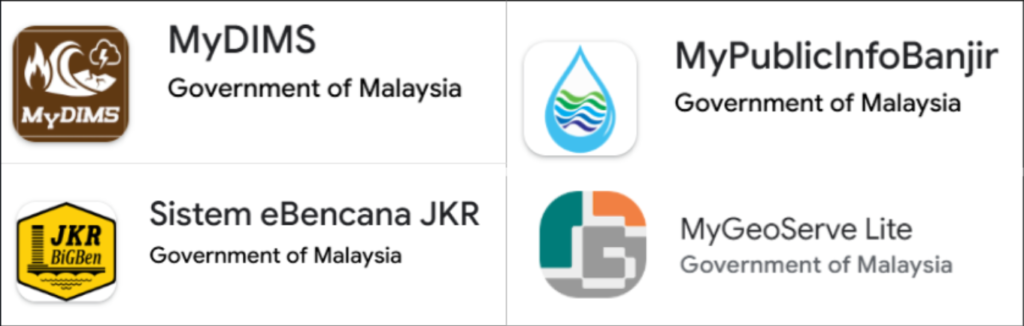
During our research, we found four different apps that provide flood warning features: MyPublicInfoBanjir, Sistem eBencana JKR, MyDIMS, and MyGeoServe Lite.
We also found 14 apps that allow users to submit complaints to different departments, including ezAdu, Aduan JIPS PDRM, MYJalan2.0 KKR, Respon Rakyat, MyJAS Aduan, and several others.
On top of that, we found three apps that provide a Qibla direction feature: myKiblat, Jakim Touch, and My Solat.
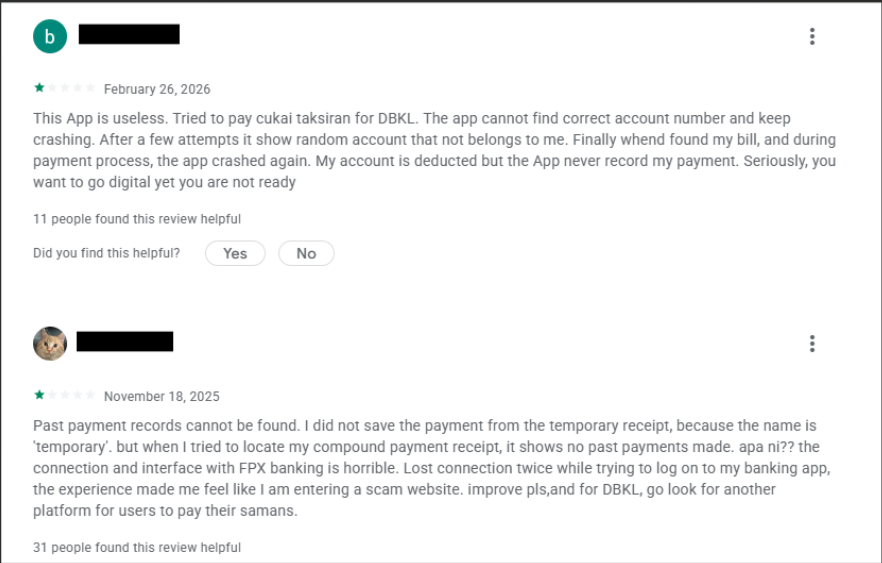
Besides having too many similar apps, there are also other issues, such as apps that have been abandoned or apps that receive low ratings because users find them impossible to use.
But it seems that the government is aware that this is happening. They have now introduced the MyGOV app, which is planned to become a super app that brings together various government services from different agencies into a single platform.
This includes access to important documents and records such as our IC details, driving licence, and passport information, with more features expected to be added gradually over time.
We also found a tender for the i-KM app, which aims to combine i-Kredikom and i-Gadaian into a single app. This means users no longer need to switch between two different apps just to find licensed money lenders or licensed pawn shops.

JPJ also appears to be moving in the same direction by trying to combine its digital services. However, for now, this only amounted to buttons in the main MyJPJ app that leads users to download the other apps.
If the effort to combine multiple apps into a single platform is successful, we may no longer need to keep switching between different apps for government services that we don’t even use that often.
At the same time, development and maintenance costs could potentially be reduced. However, this still depends on how complex the resulting app’s development and maintenance work is.
The government is also taking steps to improve data security by ensuring that the development of government digital services going forward is handled by internal government teams, rather than relying entirely on external contractors.
Whether these efforts will truly solve the problems faced by users is still uncertain. But if the government really wants to make things easier for the public, it should focus on making sure these digital services actually work well and are easy for everyone to use.