
Has the Conflict in Iran Been Factored in Your Glass of Teh Tarik? – Zainul Arifin
There seems to be some degree of unseriousness in appreciating the gravity of the fallouts of the United States/Israel attack on Iran, especially the economic impact on the country.
Being a trading nation with a large amount of exports, we are likely to feel more than a pinch. Just because we do not have lines at the petrol stations and the fuel subsidy has largely sheltered us from the vagaries of the fuel market, we should consciously ignore the globalising impact of the conflict.
Yet, as per the usual, some could not resist the opportunity to agitate and indulge in some name-calling and politicking over a situation brought about by a faraway turmoil.
The political football these days are the prices of petrol and diesel. Why are they cheaper elsewhere when we are an oil and gas producer? Is Petronas making a killing on the back of our pains? If the government cannot bring the prices down then it should not be governing, so said a popular preacher. At the moment this is all we talk about.
The price of fuel is of course important, but the consequences of that and the global fuel shortage will likely hit us longer and harder. The lagging consequences of the price hikes would surely soon be upon us, perhaps in the form of slower business activities and rising cost of living. They will soon hit our pockets and impinge our lifestyle.
Maybe electricity tariffs will be higher via a fuel cost pass through, or mortgages could be too as Bank Negara employs a higher interest rate regime to stamp inflation, which may be a real consequence. In some joints, the war has already been factored into our glass of teh tarik.
Even in the best case scenario if the war were to end today and the Strait of Hormuz were free again for ships, the lasting effect on the global economy could last a year or so as destroyed industrial infrastructures would need to be rebuilt.
Yet, it is not ending today. The on again off again opening of the waterway, through which 40 per cent of crude destined for Malaysia passes through, would result in a prolonged higher crude price regime.
Now the US wants to impose a blockade on the Strait of Hormuz so good luck to things returning to normal soon. When refineries burn and the shipping route is closed, global supplies are affected leading to higher crude prices, and subsequently refined products such as petrol, diesel and jet fuel, too.
Freight and insurance costs jumped significantly in troubled waters, adding to the cost further. Many of us are ignorant to the workings of the global oil and gas industry, yet we are opining, discussing and concluding on it.
Similarly, we had, for instance, tens of thousands of virologists during the Covid 19 pandemic period when there were none before, freely sharing unsolicited and unverified content. We can excuse ignorance but we should not give a pass to those who know the truth but use the murkiness of the situation for political posturing.
They are not only disingenuous but also dishonest and are working against the attempt to get the whole nation to recognise the challenges facing us.
One does not have to like the prime minister or support his government to take a breather from politicking and recognise that this is a problem of global magnitude and not to dismiss attempts to mitigate the problem by employing the usual trope of half truths and lies.
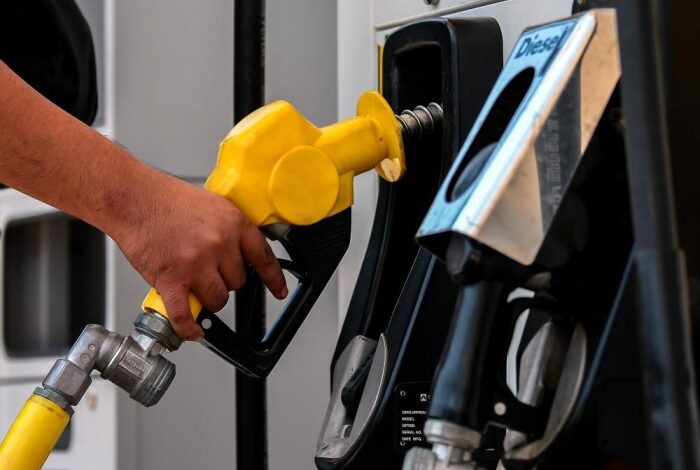
The most popular subject is the price of petrol and diesel at the pumps. Yes, Ron95 is on the rise, but most Malaysians are still paying RM1.99 per litre, and those who qualify will get cash financial relief for diesel.
Ironically, the government was looking at saving RM2.5 billion this year in its Ron 95 subsidy rationalisation programme, but the war in Iran put paid to that.
When crude was around US$75 per barrel in January, about RM700 million was spent on RON95 and diesel subsidies, but in March and April the conflict pushed crude to between US$100 and US$120 per barrel leading to the combined subsidy bill of between RM4 billion and RM6 billion a month.
Reports suggests that based on current trends, the annual expenditure is projected to hit RM48 billion to RM72 billion, nearly double the initial budget estimates. It could take a significant chunk, or up 17 per cent, of the total 2026 budget.
These are real money that could be spent elsewhere, but the money is spent regardless perhaps to keep a lid on inflation that would be costlier. However, money, like our oil reserve is finite, and if the crisis were to prolong we would have to look into our priorities.
I believe the perception that Petronas is having a windfall at the expense of us all; taking advantage of the higher crude price regime by exporting thousands of barrels instead of keeping it here where they are needed is misinformed at best, but surely disingenuous.
What is Petronas doing to make sure the price at the pump is low? Why is Petronas not doing more? Can’t Petronas’ profit be used to check the prices at the pump?
Petronas this, and Petronas that. Unlike other oil and gas companies, Petronas is also entrusted with an agenda that goes beyond profit and loss. It needs to contribute to the country in more than just dividends, royalties, duties and taxes as well as investments to develop the sector.
Also, while Petronas is a major player here it provides just about half of the nation’s petrol, diesel, cooking gas and jet fuel needs. The rest, at 52 per cent, is provided by the others.
The nation’s fuel supply is supported by multiple players so that it is not dependent on a single company, and that there is a collective effort by all. People in the industry said “fuel supply is a system”, and energy security is a function of collaboration between players.
Perhaps we should ask the others – Shell, BHp, Caltex and Petron – what are they doing to keep us from having fuel shortage nightmares.
But beyond what the war has done to fuel prices, there is a real fear of a greater consequence to the economy.
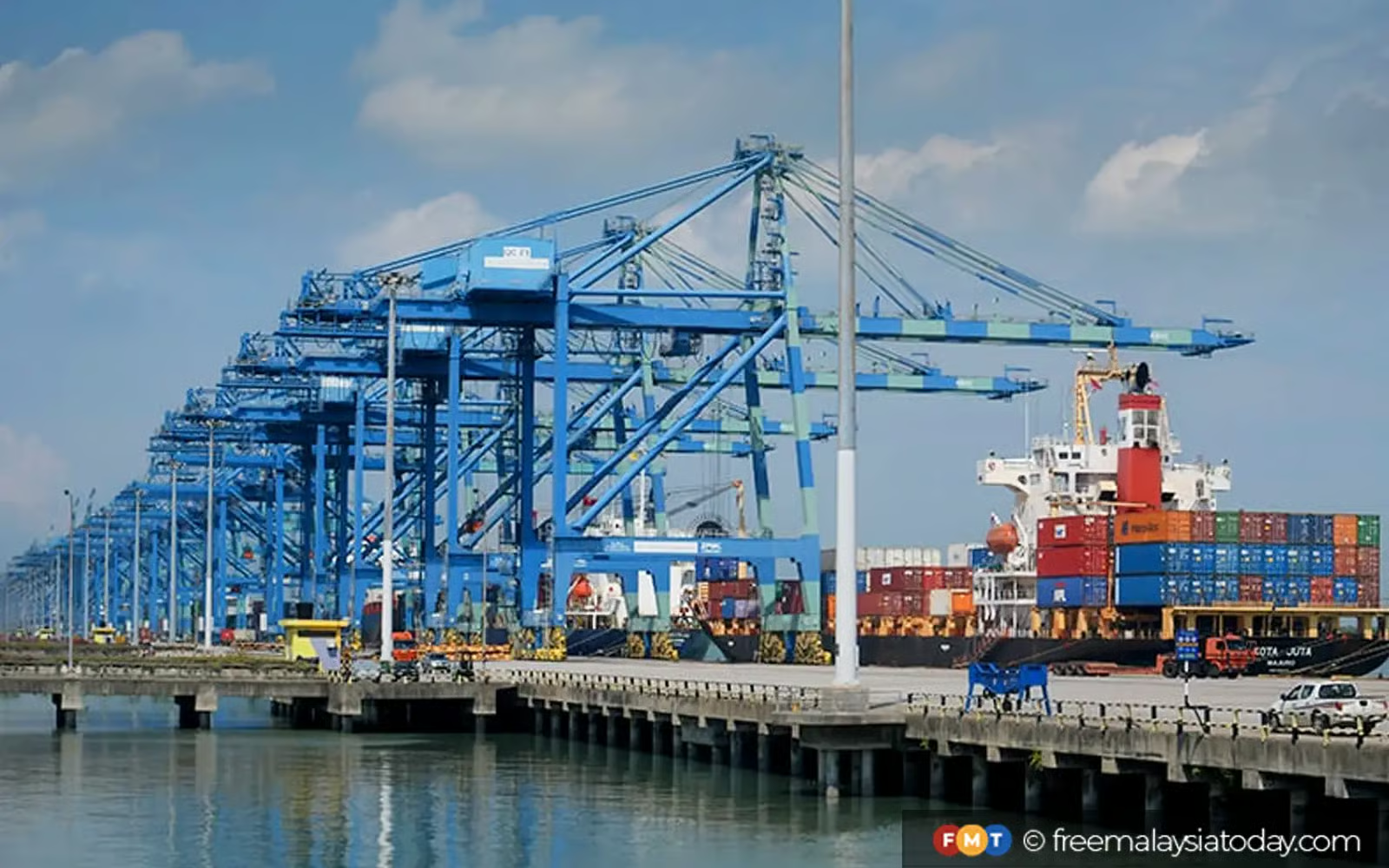
Last year, our total trade exceeded RM3 trillion for the first time at RM3.06 trillion, of which export was at RM1.61 trillion and import at RM1.45 trillion. We were looking forward to a better 2026, but the conflict might have a say on that.
Imagine what a decline in the global economy would do to our exports – it will likely soon impact businesses, investments and spendings. In the worst case we could be looking at slower economic growth, businesses could suffer, consumption to decline, government revenue might lessen and possibly even job losses, too.
Politically-tinged attempts to conveniently ignore these facts is not only irresponsible, but it is also dishonest. Perhaps it is par for the political course, but seriously during these times of serious economic challenges can we not dispense the scraping the bottom of the barrel for half-truths and lies to an already fearful and confused audience.
It is most important that we all do not underestimate and trivialise the severity of the potential economic consequences. Yet, suggestions of cost saving measures are greeted with much ridicule and derision.
There is no urgency in our steps and we are generally flippant in our attitude. No Raya open house? Set our AC at 24 degrees? Cut travel? How would reducing our subsidised quota to 200 litres a month help?
There is of course an effect. Say, a 10 per cent cut in household power and fuel consumptions could probably mean billions of ringgit saved for the nation via subsidies or imports, for instance.
When trying to get the people to understand and support its initiatives, perhaps the government could better articulate how our individual actions could go a long way in helping us as a nation get through this.
Datuk Zainul Arifin is the Chief Executive Officer of Big Boom Media
