
Is a local public uni in Kelantan promoting an ubat kurus? We investigate
- 44Shares
- Facebook26
- WhatsApp18
The other day, we were scrolling through Facebook when we chanced upon something that shook us to the very core. Apparently, there’s a local herbal tea called Biokenaf that claims to help you lose a whopping 55 kilograms within four months… without torturing yourselves!
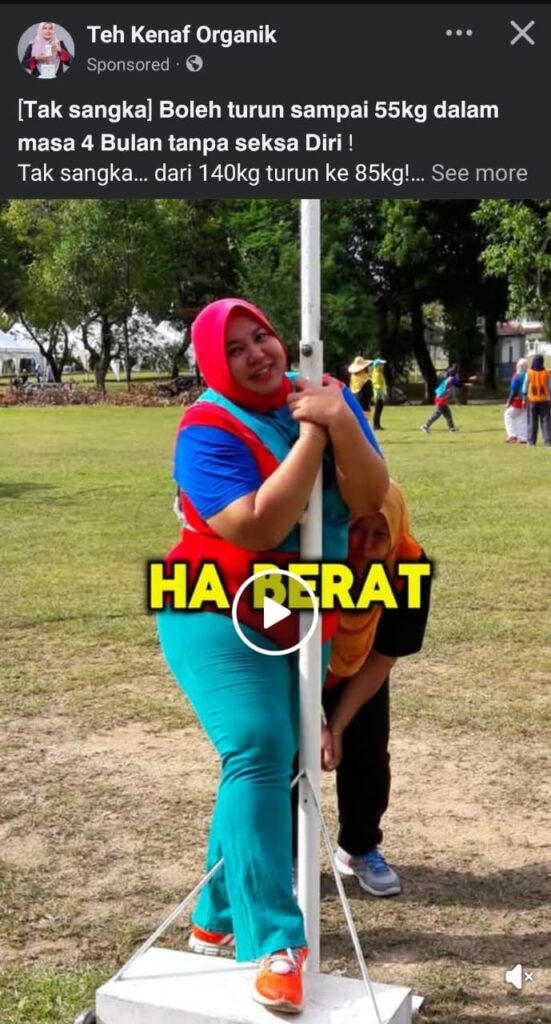
Even if you use that viral weight loss drug Ozempic you probably won’t lose weight that fast. Heck, even if you kena cancer you probably won’t lose weight that fast. Unless you’re constantly pooping out a standard sack of cement over the course of four months, we just don’t see how it’s possible.
Since it’s a slow day at the office, we decided to look deeper into this ✨fascinating✨ herbal tea and found a bunch of stuff about the product, each more flabbergasting than the last. For instance… did you know that
- sellers of this tea claimed that it’s approved by the Ministry of Health (KKM), SIRIM, and certified halal by JAKIM… but the product isn’t in any of those departments’ databases?
- a local public university in Kelantan and one of its departments had promoted the product on their official social media accounts, complete with links to buy the product?
- the product was showcased at the 2025 Osaka Expo in Japan under the National Kenaf and Tobacco Board (LKTN)?
- they got Zamarul Hisham and Diana Rafar, a local celebrity couple, talking about the product on their own social media accounts?!
If you’re intrigued so far but your gast hasn’t been flabbered enough yet, clear your schedules, because we’re going down this rabbit hole together. Starting with the most important question…
What in tarnation is a Biokenaf?!
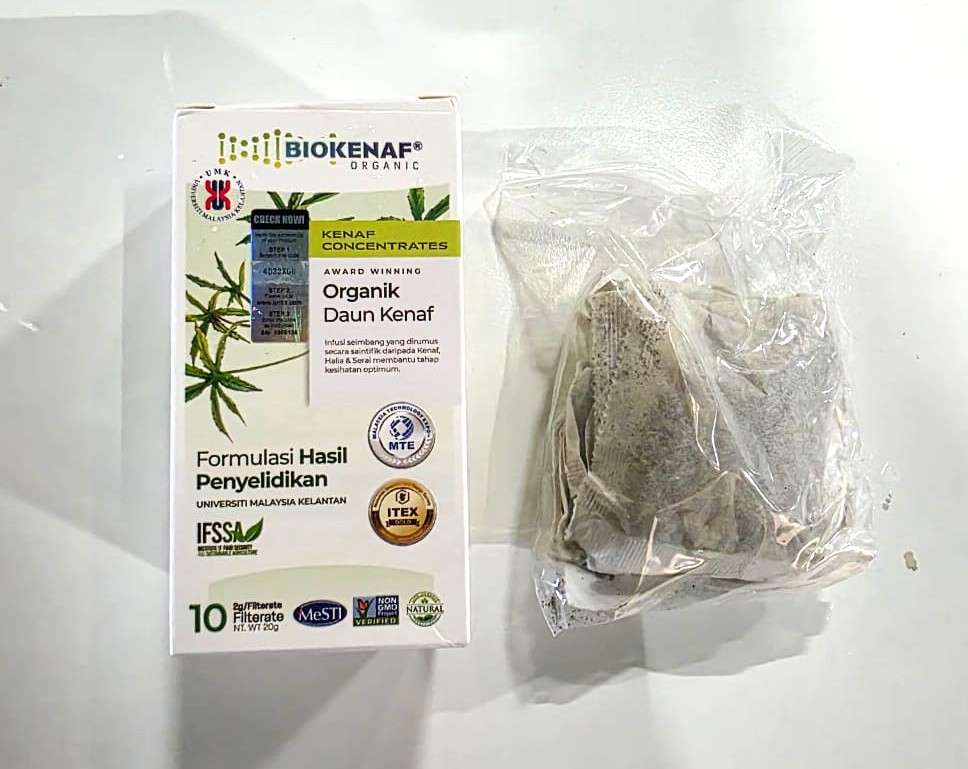
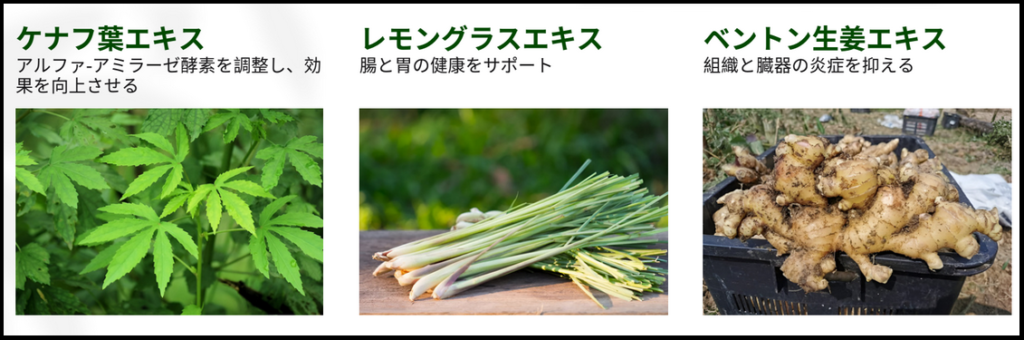
After looking through 30+ Facebook pages that sell the stuff, landing pages, and buying some for ourselves, we can tell you that… it’s just a tea made from lemongrass, ginger, and something called kenaf leaves, or Hibiscus cannabinus if we’re being scientific about it.
If kenaf sounds strange but familiar to you, it’s probably because the plant had been making news for the past few years already. The government really wants to make kenaf a thing, partly because they want to quit planting tobacco in our plantations and start planting kenaf instead.
To that end, there’s even a dedicated government agency for this – the National Kenaf and Tobacco Board, or LKTN, which you’ll find name-dropped a lot in Biokenaf’s marketing.
However, despite the cannabinus in the scientific name, you don’t usually roll kenaf leaves in paper and smoke ‘em. This African shrub’s stem is more commonly used for making fibers and pulp, as well as animal feed and biofuel.
The leaves are commonly seen as waste byproducts of the kenaf industry. So turning it into a nutritious herbal drink that sells for between RM50-RM95 per box of 10 teabags (cheaper if you buy six boxes at once!) would be quite entrepreneurial, no?
Well, we italicized ‘entrepreneurial’ because the ads for this product refuse to let you forget that it’s the result of research by Ts Dr Maryana binti Mohamad Nor (known in the ads as Dr Maryana) from Universiti Malaysia Kelantan (UMK), also fondly known as the “Entrepreneurial University”.
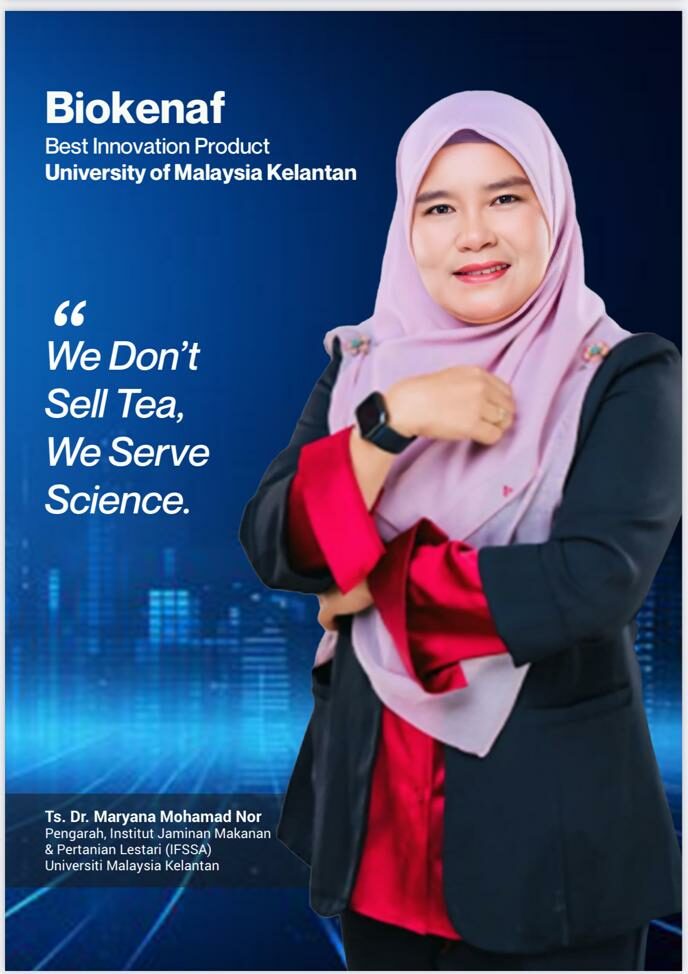
Anyhoo, Dr Maryana appears to be a real lecturer at UMK, specializing in bioprocessing, food security, and functional food. Up until recently, she was also the head of UMK’s Institute of Food Safety and Sustainable Agriculture (IFFSA).
However, despite the cred…
We can’t find the research that supposedly supports Biokenaf’s slimming property
As you’ve probably guessed from the introduction to this article, Biokenaf is being marketed as a weight loss supplement, often with unrealistic expectations.
Besides the 55 kgs in four months thing, ads also use other thinspo variants like helping you lose 10 kgs in 60 days, and that it’s “24 times more effective in helping with obesity and cholesterol”, although 24 times more effective than what is anybody’s guess.
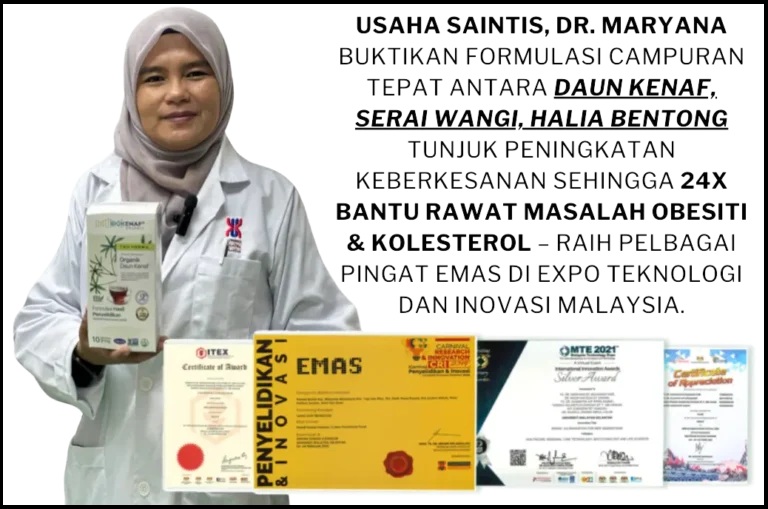
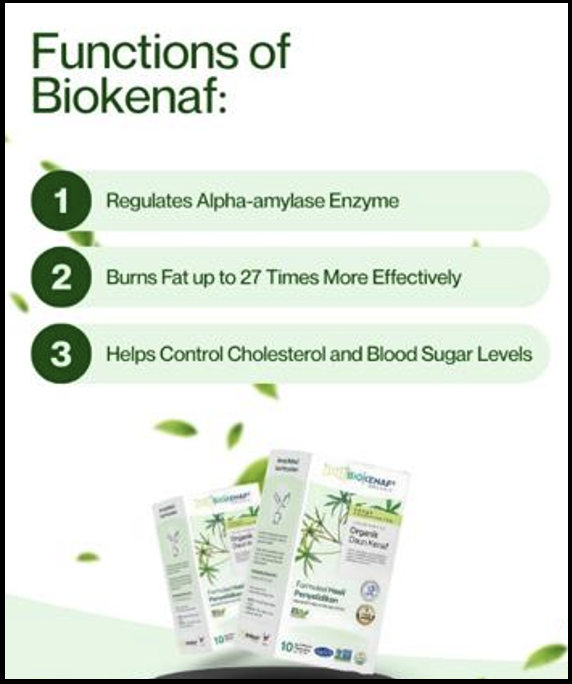
This weight loss property is often attributed to Biokenaf’s alleged ability to “stop the alpha-amylase enzyme from breaking down carbohydrates into sugars”, said to be a product of Dr Maryana’s research at UMK. In layman terms, it can stop your body from digesting carbs.
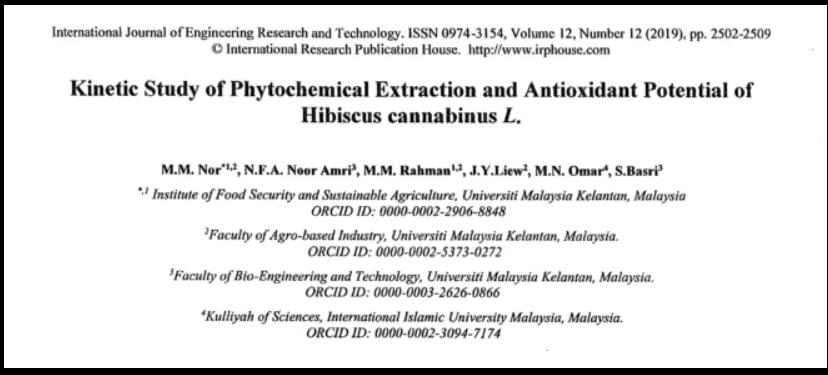
However, no such research has been found in UMK’s open journal system or under her name, and Dr Maryana’s own research, often found attached to the ads, is more towards which extraction method is better to get the most compounds out of kenaf leaves, with no mention of the alpha-amylase inhibition at all. We’ve reached out to Dr Maryana to ask about the research behind this, but have yet to receive a response.
According to a news report on Kosmo! (paywalled) though, the research for Biokenaf started way back in 2017. The research, then titled ‘iKenaf: Validation and Optimization for Food Industry‘, went into the active compounds found in kenaf leaves, then seen as a waste product of the kenaf industry. It seems that a part of the research involves making the tea more palatable, as kenaf by itself tastes sour.
“Early research of this product included manufacturing several formulations of kenaf leaves with different herbal combinations. However, after several innovations, the combination of kenaf with lemongrass and ginger has the optimal effect, besides getting great response from consumers,”
– Dr Maryana, translated from a copy of the news report on IFFSA UMK.
Perhaps this research might vindicate Biokenaf, however we failed to find papers related to it online. Also there’s the question of why advertisers chose to use the irrelevant research paper in their marketing instead of the one for iKenaf.
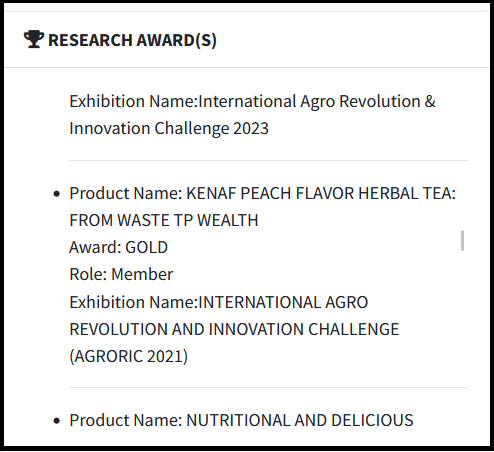
The closest research we’ve found that might support Biokenaf’s claims actually comes from researchers at UCSI University, an unrelated local private uni. In the 2021 paper, the researchers investigated how a tea made from kenaf leaves can be made better by mixing them in different proportions with a goji berry and red date infusion.
What they’ve found, though, is that the alpha-amylase inhibition was the lowest in 100% kenaf tea, and that it’s more probably the goji berries and red dates that dunnit. No research on whether combining it with lemongrass and ginger would have the same effect, though.
“KLT (kenaf leaf tea) flavoured by goji berries and red dates can synergistically exhibit an inhibitory effect of α-amylase enzyme because there was no significant difference between 60 and 0% KLT samples.”
– Goh, K.M., Ng, S.Y., Nyam, K.L., 2021.
So the tl;dr of this whole section is that despite Biokenaf being marketed as a weight-loss product based on research by Dr Maryana and UMK, no such research can be found publicly, and other research suggests that kenaf by itself may not be that effective in making you lose weight. While there are compounds with potential weight-loss effects in kenaf leaves, the effectiveness in actually making you lose weight, especially in tea form, remains unknown.

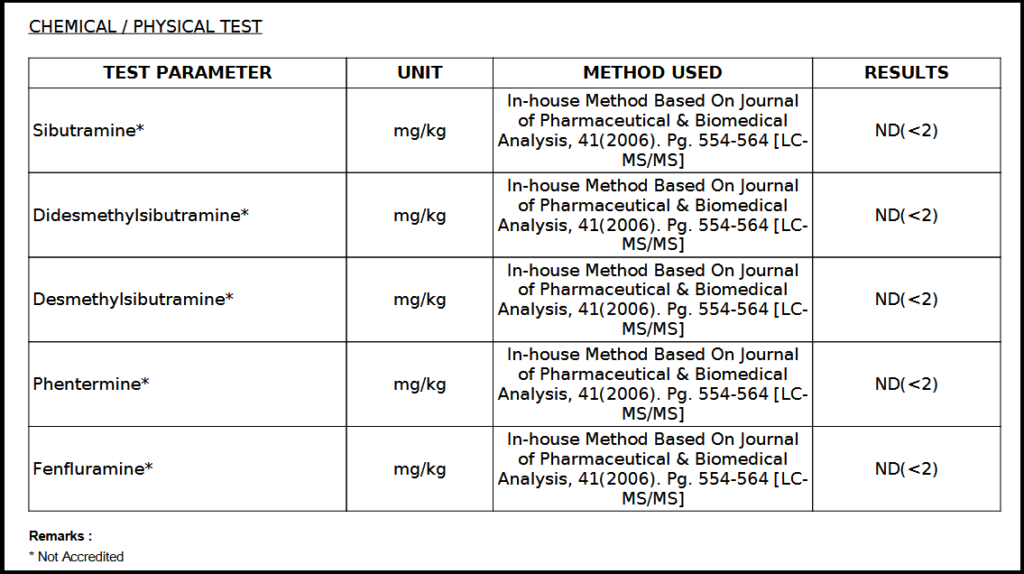
As a side note, we did spend like a month’s rent to buy the product and send it for lab testing to see whether it contains weight-loss drugs like sibutramine, and the test came back negative. So we have no idea how else Biokenaf is claimed to make you lose weight so fast.
Anyways, weight loss isn’t the only thing Biokenaf is claimed to help with…
Biokenaf’s marketing is rife with other unproven health claims
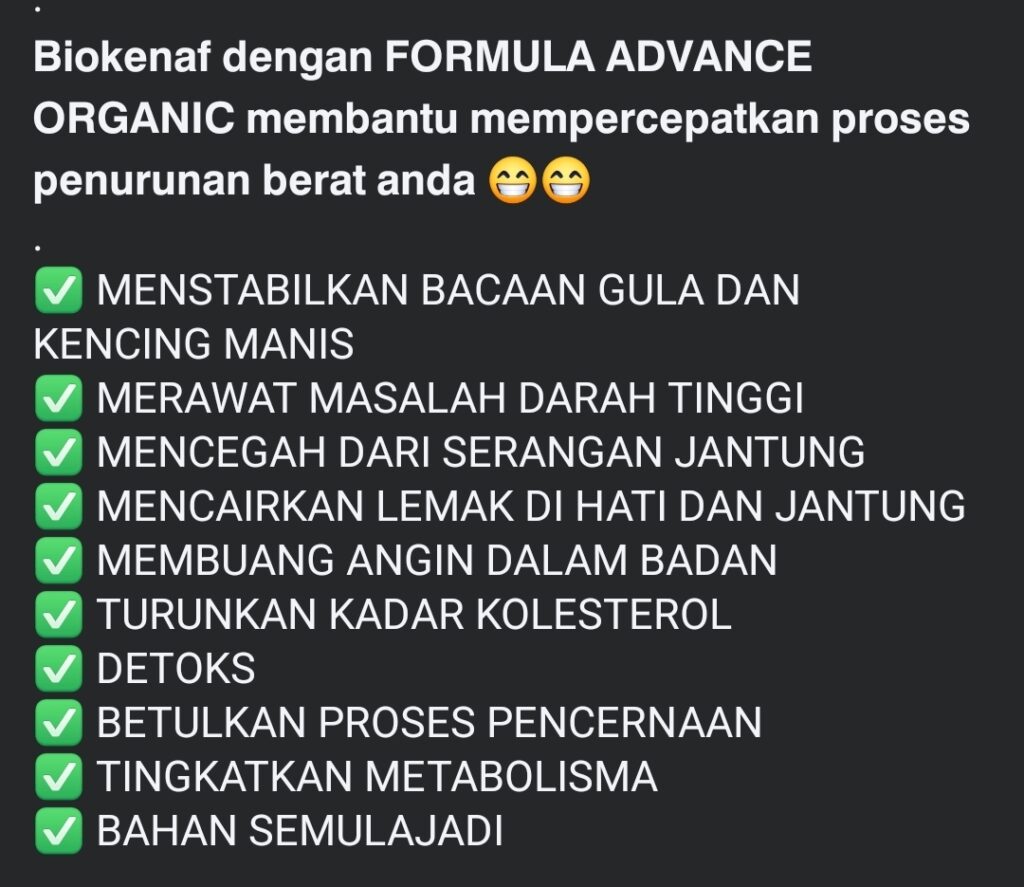
Besides benefits related to weight loss (like controlling appetite and increasing metabolism), Biokenaf has also been claimed to
- help control your blood sugar level and diabetes
- lower your bad cholesterol and increase your good cholesterol
- detox your body, clean your intestines and make pooping easier
- help ‘re-activate the function of insulin and the liver‘
- prevent heart attacks, lower your blood pressure and treat hypertension
- be ‘anti-cancer‘
- strengthen your immune system
- eliminate sudden vertigo and migraines
- reduce numbness in your hands and feet
- reduce inflammation and treat joint problems and soreness
- stabilize your hormones, mood, and energy
- increase kidney health, reduce night-time urination and pain while peeing
- make your skin more glowing, and keep you looking youthful, elastic, and smooth
- …and probably many more!
Outside of testimonies, though, there’s no way to tell whether any of these claims are true. Also, with all of these claimed health benefits, you’d think that Biokenaf is a medicine or supplement or some sort, but it’s not.
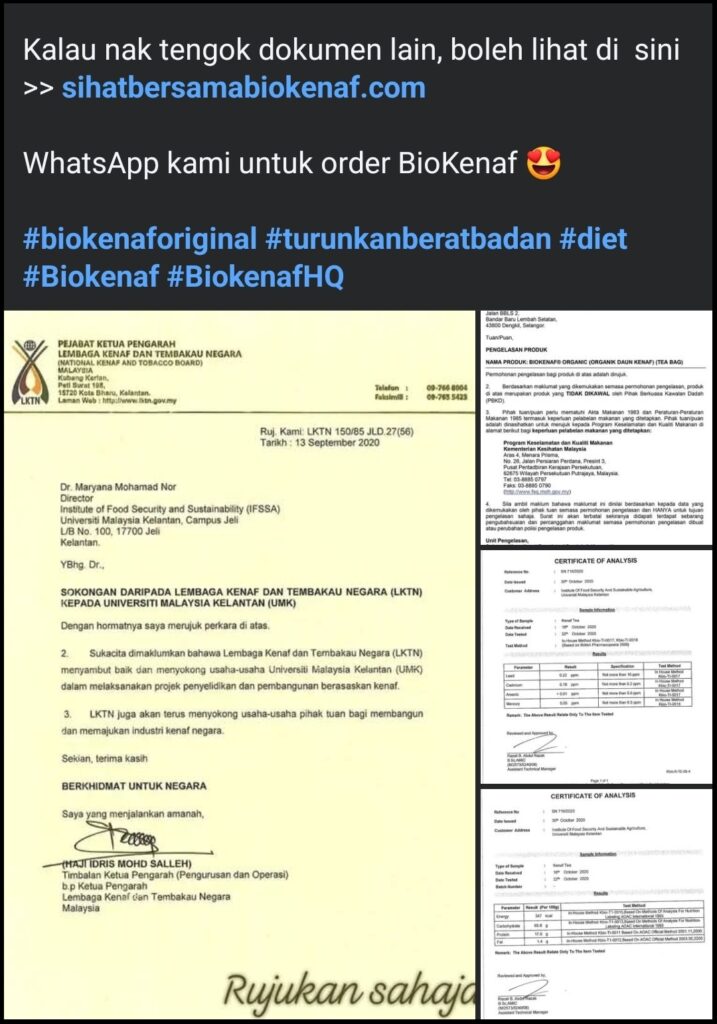
According to a document often uploaded to prove that they passed KKM checks, Biokenaf is NOT controlled by KKM’s Drug Control Authority, meaning that it’s categorized as ‘food’.
This is important, because if it’s categorized as a ‘drug’, they will need to actually pass KKM checks and be in their database of registered products. Their advertisements will also be strictly controlled, but they can still make health/medicinal claims about the product within KKM’s guidelines.
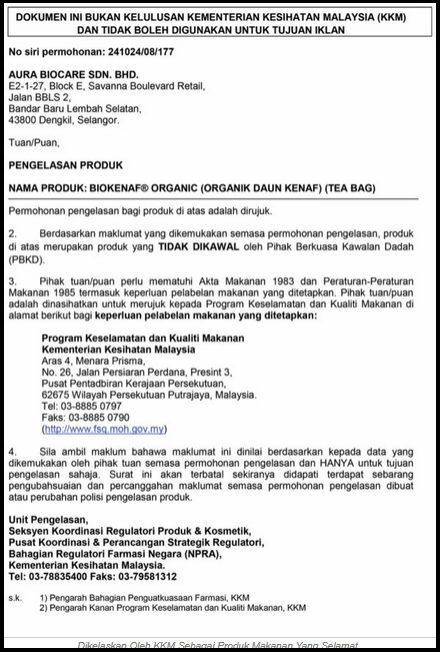
Biokenaf being categorized as food means that they cannot make health claims about the product on the packaging AND when advertising it. But as seen in the examples above, they did, which they actually legally CANNOT do.
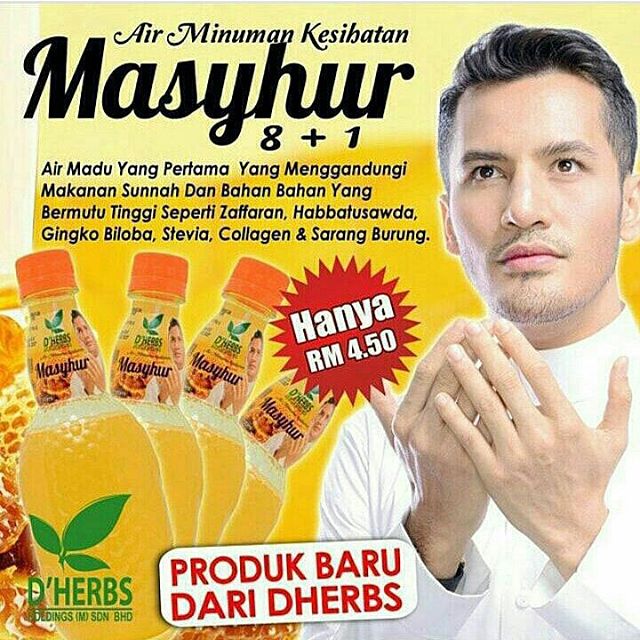
In fact, several famous names have gotten in trouble over advertising foods using health claims like this in the past. In 2017, Aliff Syukri, of D’Herbs fame, got fined a total of RM11,000 under the Food Act 1983 for claiming that his products – two herbal drinks called Jus Perawan Gold and Air Mahsyur – can improve the immune system and help with blood and oxygen flow.
Also in the same year, Datuk Seri Vida, of Vida Beauty, got fined RM4,800 under the Medicines (Advertisement and Sale) Act 1956 for claiming that her product, a pomegranate-based drink called Pamoga, can be used to treat burns and joint pain on television.
But perhaps a more famous case would be Neelofa’s banana milk fiasco back in 2019. Ads for the milk, which claimed it can help people lose weight, lower blood pressure, and control their insulin, among other things, went viral on Twitter.
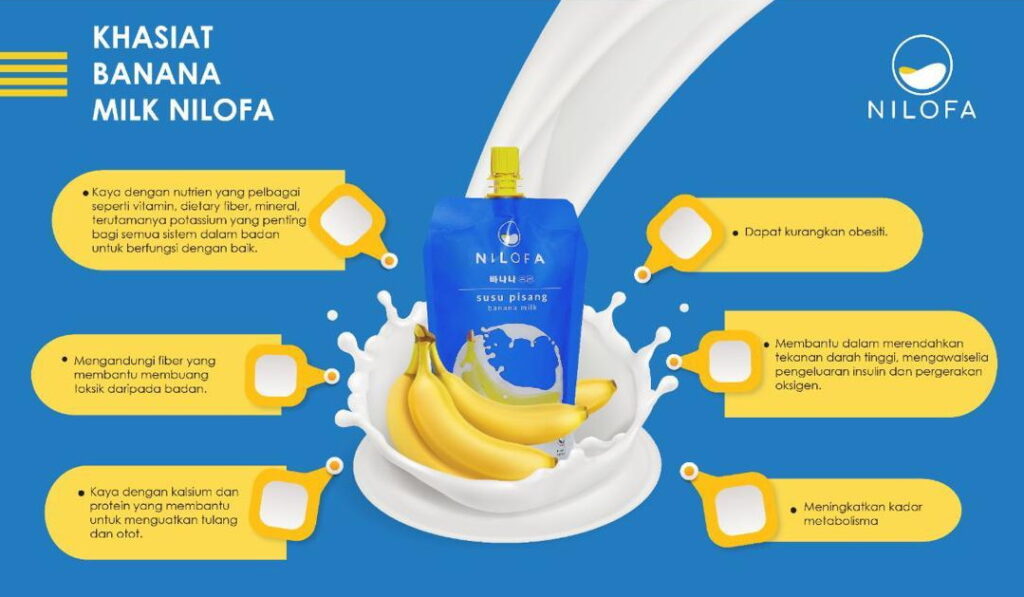
She was investigated by the KKM over it, but eventually not much happened as Neelofa claimed that the ads were outsourced to an advertising company, and the packaging of the milk itself wasn’t problematic.
“I outsourced the promotional work of this product including the marketing, operational, and branding departments. During the conference, those who came received a flyer telling the benefits of this milk. However, the flyer did not refer to or get approval from the factory and headquarters. Had I known of this, I would have stopped it,”
– Neelofa, translated from Harian Metro, 2019.
So basically Neelofa got off the hook as she wasn’t aware of how the product is being marketed, and hence wasn’t responsible for the content. Which brings us to the question…
Are Dr Maryana and UMK aware of these ads?
To commercialize Biokenaf, UMK worked with a company called Aura Biocare Sdn Bhd, founded and led by alumnus Bukharie Che Harun. So the best way to answer that question would be to ask them directly, which we did through e-mail.
However, we have yet to receive a response as of the time of publishing, so the next thing to do is to look at the online evidence. Based on what we’ve found though, it’s hard to say that Dr Maryana and UMK are oblivious to what’s going on.
[UPDATE 1 OCT 2025: Shortly after our article and video were published, Dr Maryana, in an email, questioned the motivation behind this story and has instructed Aura Biocare Sdn Bhd to respond. She didn’t respond to any of our findings. We have yet to receive any responses from Aura Biocare.”]
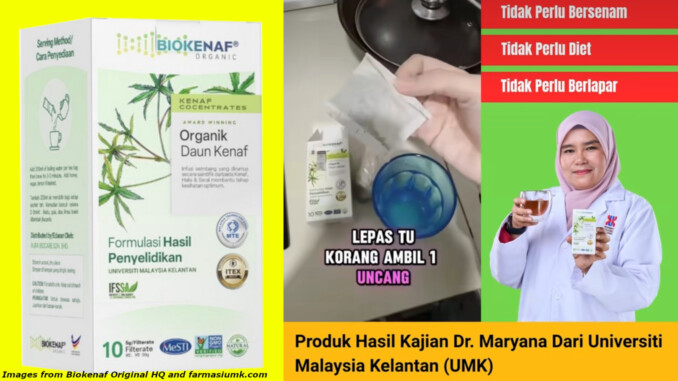
For example, we have found videos of Dr Maryana promoting Biokenaf as a weight loss product, and in some of them, even backing it up with her own story of how her cholesterol went down after drinking it:
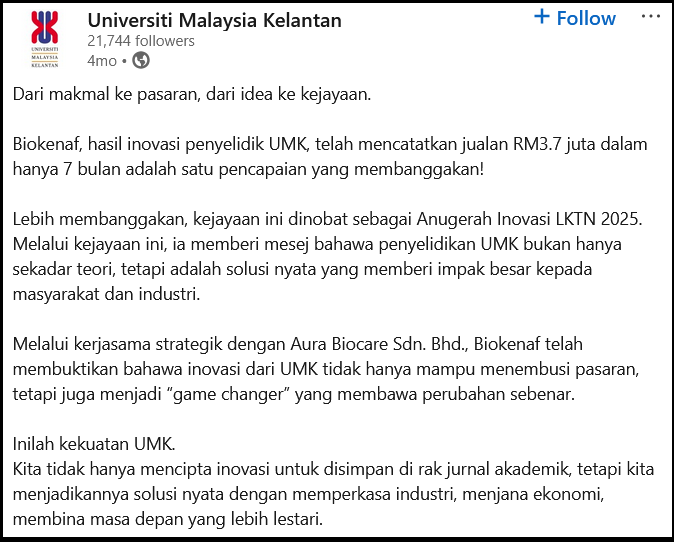
UMK, on the other hand, had published a post on their official Facebook page in April congratulating Biokenaf’s RM3.7 million in sales within the past seven months. The post, in which even UMK’s Vice-Chancellor was tagged, carried a quote by a UMK official which showed they’re well aware of Biokenaf being marketed as a weight-loss tea.
“Biokenaf was made to increase the metabolism process in the body by focusing on carbohydrate digestion and help control sugar absorption in the blood. This product can help repair the role of insulin and control appetite efficiently.
“It has been proven to work since it was commercialized in September 2024 and until now received high demand from consumers leading to RM3.7 million in sales within seven months in the market,”
– Ts. Dr. Mardawani Mohamad, Director of UMK’s RMIC’s Commercialization and Intellectual Property Department, as quoted by Universiti Malaysia Kelantan (Rasmi).
But there’s more. Last June, Biokenaf went global when it was included as part of the controversial Malaysian Pavilion at the 2025 Osaka Expo under the National Kenaf and Tobacco Board (LKTN). We know that the health claims continued all the way to Japan, because upon scanning the QR code for Biokenaf’s brochure (seen at the very start of this video), the health claims are included as well.
According to Bukharie, Aura Biocare was formally invited by the LKTN as part of an effort to widen the national kenaf industry’s market to the international level.
“The manufacturing of this product is under the national agenda in the field of research and innovation and the increase in sales [RM7.7 million as of June] and it is hoped that the biokenaf [sic] product based on kenaf leaves can penetrate the global market and support the nation’s innovation and sustainability agenda … This participation is part of an integrated strategic effort to strengthen promotions and widen the national kenaf industry’s market to the international level, with special emphasis on Japan’s market and the East Asian Region,”
– Bukharie Che Harun, translated from Universiti Malaysia Kelantan (Rasmi)’s post.
So maybe it’s not just Dr Maryana and UMK who’s aware of Biokenaf having health claims. There’s a chance that everyone involved is to some degree aware of it as well, including the LKTN, The Ministry of Plantations and Commodities, The Ministry of International Trade, and probably some random Japanese guys who got lured to the expo’s booth thinking it was selling weed.
In the meantime, one might wonder…
How did Biokenaf manage to get to this level?
We gotta be honest. At first, we’re convinced that there’s something wrong going on here. But after a while, we started to think that maybe it’s legit. Maybe we’re being Karens. After all, a public university and even the government seems to endorse it and be okay with it.
But if even we started second-guessing this product, it’s not unthinkable for everyday consumers to be misled by Biokenaf’s marketing as well.
Between a person with the ‘Dr’ title in front of her name promoting it as a health product, a bunch of scientific jargon and pictures of people in lab coats making it seem more credible, and the name dropping of awards, certifications, and government bodies and ministries, even the most skeptical consumer can believe that this kenaf tea is a legit product that can fix their health problems.
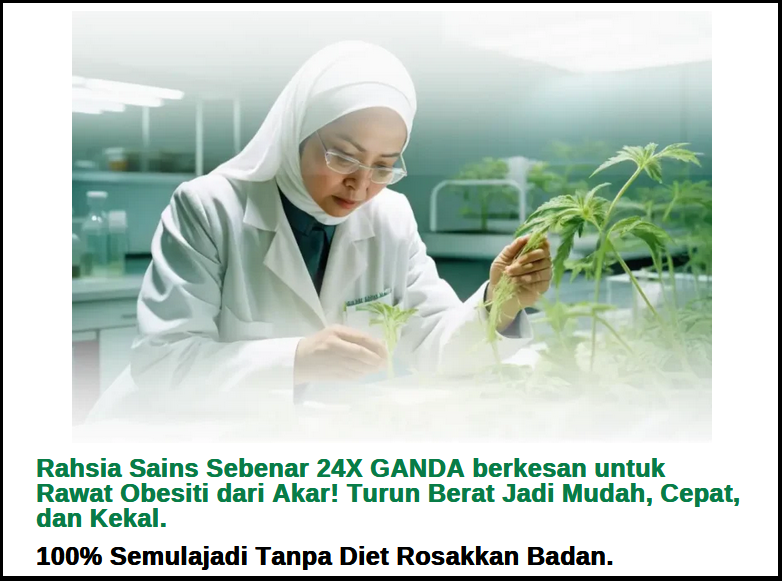
But those are just the things we can see in the ads. We didn’t even include all the other shady things we’ve noticed in the marketing, like claiming that there are counterfeit products out there, padded reviews, the huge price difference between buying one box and six, and even the 30+ similarly-named sites we found selling the product that ultimately leads back to only 5 companies.
The point is, it seems very likely for everyday consumers to be confused by Biokenaf’s marketing. There is a lack of evidence and transparency behind the claims, and associations with authorities like KKM, UMK, and even the Osaka Expo, paints a certain expectation of the product that may not reflect the actual experience of consumers.
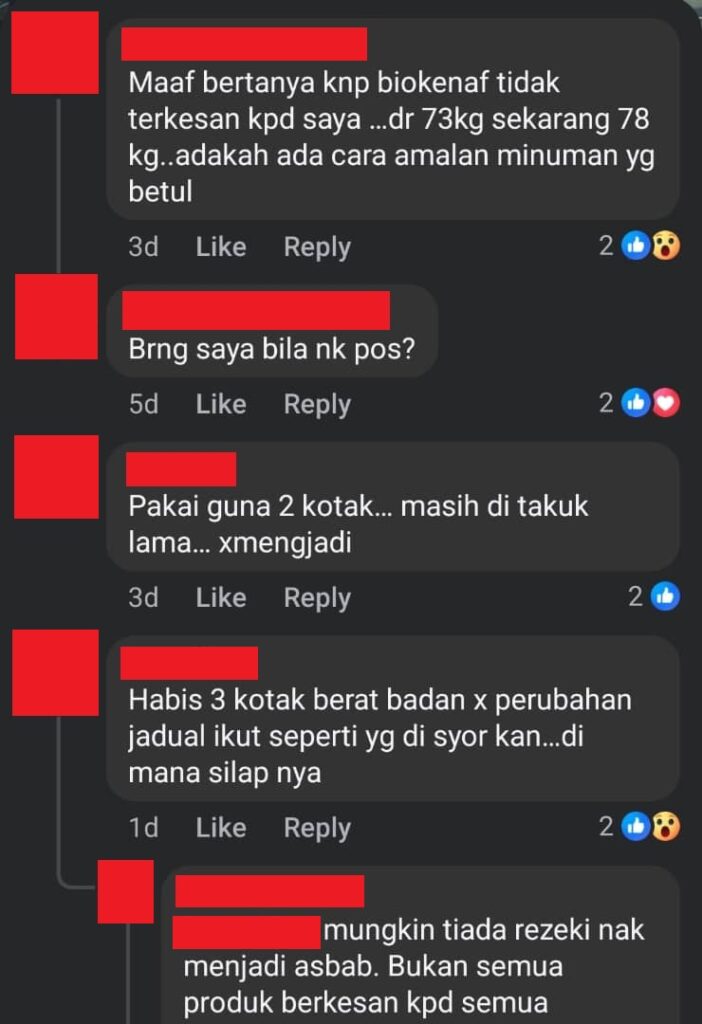
Despite the visibility, not much is being done about the product’s marketing. Is it because people don’t know it’s wrong? Or is it because people are turning a blind eye towards it for the ‘greater good’ of some parties? We don’t know. We’re still waiting for a response from Aura Biocare and Dr Maryana.
In the meantime, if you have experience with Biokenaf in any way, whether as a seller or a consumer, we’d love to hear from you! Drop us an e-mail at [email protected].
- 44Shares
- Facebook26
- WhatsApp18
