
No TikTok till 16? Here’s why experts say that age actually makes sense
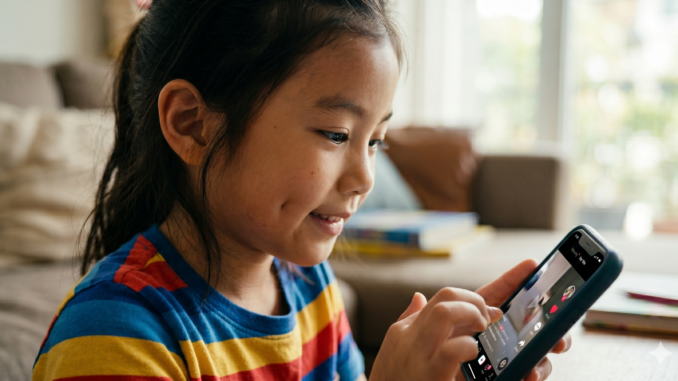
Malaysia is planning to limit independent social media access for anyone under 16, and honestly, it’s sparked a massive “but why?” from teens and parents alike. The big question on everyone’s mind: Is 16 actually the magic age where kids suddenly get “it”?
While the government says it’s all about protection, experts argue this isn’t just about cutting down screen time, it’s also about whether younger brains can actually handle the chaos of the internet.
Age 16 is the maturity tipping point
According to NUTP secretary-general Fouzi Singon, 16 is roughly when “adolescents generally possess a higher level of cognitive maturity, enabling them to make more informed judgements about right and wrong”.

He also points out that younger kids are basically sponges. Hence, they may see a trend or a post and take it at face value. “Students below 16 tend to accept what is presented to them without critically evaluating the situation,” he says.
The World Health Organization defines adolescence as the period between ages 10 to 19, a stage of rapid cognitive and psychosocial development, during which individuals are more vulnerable to peer influence and manipulation.
It turns out there’s some science to back that up. Dr. Anasuya Jegathesan, a seasoned counsellor, explains that younger teens have “concrete” thinking. This means that they’re more likely to believe a stranger or fall for a scam because they haven’t developed that healthy layer of skepticism yet. “As they hit those mid-teen years, their thinking becomes more complex, and they are better able to question intentions and recognise manipulation”.

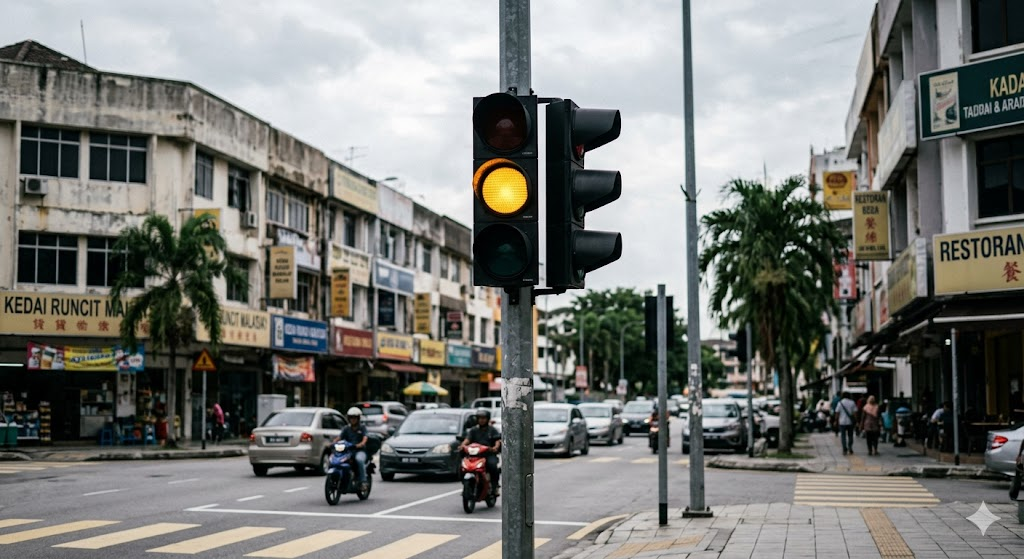
Not really a ban, but more like a yellow light
Under the upcoming policy, individuals under 16 will not be allowed to independently create or manage social media accounts. However, they can still have access to social media through parent-managed profiles. Think of this less like a total blackout, and more like a learner’s permit for the internet.
This move mirrors a similar step by Australia, which scrubbed around 4.7 million underage accounts in December last year.
Experts say the age 16 represents a practical tipping point, where teenagers begin to develop stronger impulse control and risk awareness.
“Allowing digital account ownership only at 16 can significantly reduce the risk of negative behaviour, particularly exposure to harmful content and cyberbullying.”
Fouzi Singon, NUTP secretary-general
But is an age limit really the way to go?
Not everyone is convinced that a birth certificate is a perfect shield. Amnani A Kadir from Protect and Save the Children argues that a hard age limit is a bit of a blunt instrument.

She suggests that “A strict age limit doesn’t account for the fact that some 14-year-olds are tech-savvy and mature, while some 17-year-olds… well, aren’t”, and warns that restricting access without addressing how children actually use digital platforms could lead to unintended consequences.
Amnani also cautions that we shouldn’t just dump the burden on parents, pointing to the fact that most parents are too busy working to act as 24/7 digital bodyguards. Her take is that “protection must come from safer platform design, digital education and trust-based engagement, not surveillance alone”.
This opinion is supported by Dr Anasuya, who says that digital readiness must be deliberately taught, both in schools and through parenting support, to help families better understand how young people should engage with online spaces.
At the end of the day, age is just a number unless we’re actually teaching kids how to navigate the web. Whether the limit is 13, 16, or 18, the consensus from the pros is clear: we need to stop just watching the clock and start teaching the skills.