Your groceries at the pasar should cost way more right now. So why don’t they?
- 15Shares
- Twitter1
- Email1
- WhatsApp13
Just recently, one of our Cilisos staff came back from a trip to Europe complaining about the price of bread. Naturally, we thought that was a bit silly. A basic loaf here only costs RM3. Seriously, how expensive can bread be over there?
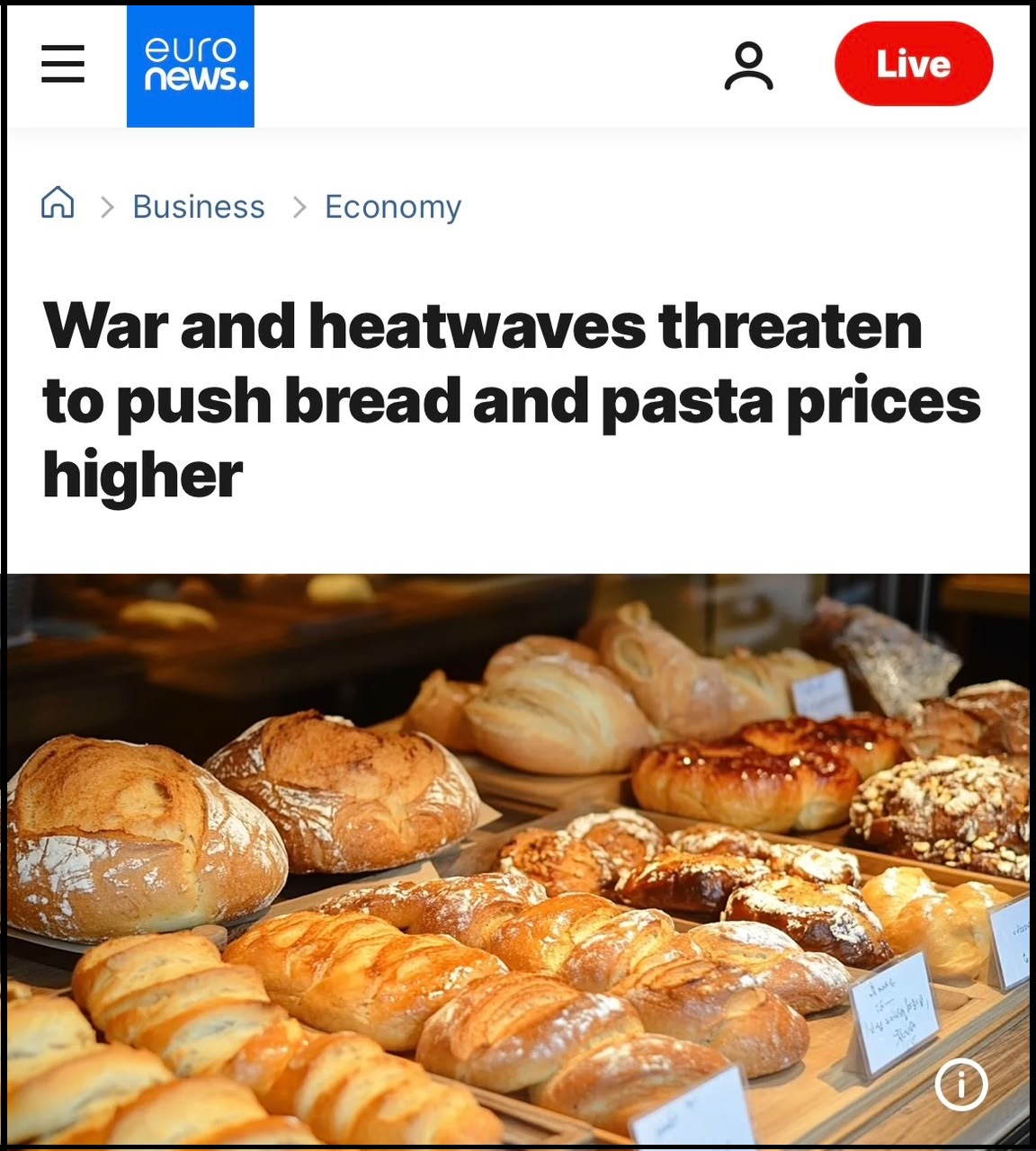
As it so happens, we were asking the wrong question. Sure, Austria’s bread does look brutal (RM11!), but you can’t really judge that price without considering their currency and cost of living. The bigger concern is that food prices across Europe are climbing and wheat, the stuff that actually makes your bread, is expected to cost 36% more this year.
And once we started looking at the global news (instead of our regular K-pop updates), we realised this wasn’t just a Europe problem. Wars, rising oil prices and the whole Strait of Hormuz fiasco have been making things more expensive across our SEA neighbourhood too.
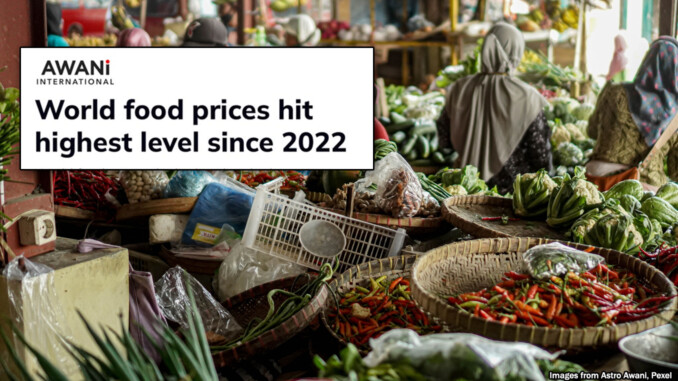
- Vietnam: Food inflation was extremely high from February to August 2026, never once falling below 4%.
- The Philippines: Food inflation more than doubled, going from 1.8% in February to 4.6% in August 2026.
- Thailand: Food inflation roughly tripled from 1.03% in June to 2.99% in August 2026. The government’s July inflation report specifically mentioned the Middle East conflict as the main reason food prices were increasing.
Meanwhile, Malaysia’s headline inflation rate was just 1.9% in Q2 2026 and our basic staples are still pretty affordable. Heck, we’ve even managed to keep our Budi95 subsidies. So what gives? While other countries are getting walloped by rising energy and food costs, Malaysia seems to be doing comparatively okay. Either our economy runs on a different planet or something else is going on 👀.
But before we get to why Malaysia seems to be dodging the worst of it, let’s first look at how a war halfway across the world can make your humble loaf of bread more expensive in the first place.
Everything we consume is basically a global supply chain in disguise
News flash, that seemingly unimpressive bread you grab on the way back from work isn’t just flour, water and yeast. There’s actually a whole supply chain behind it, with some parts happening thousands of kilometres away before the bread even reaches your local mart.
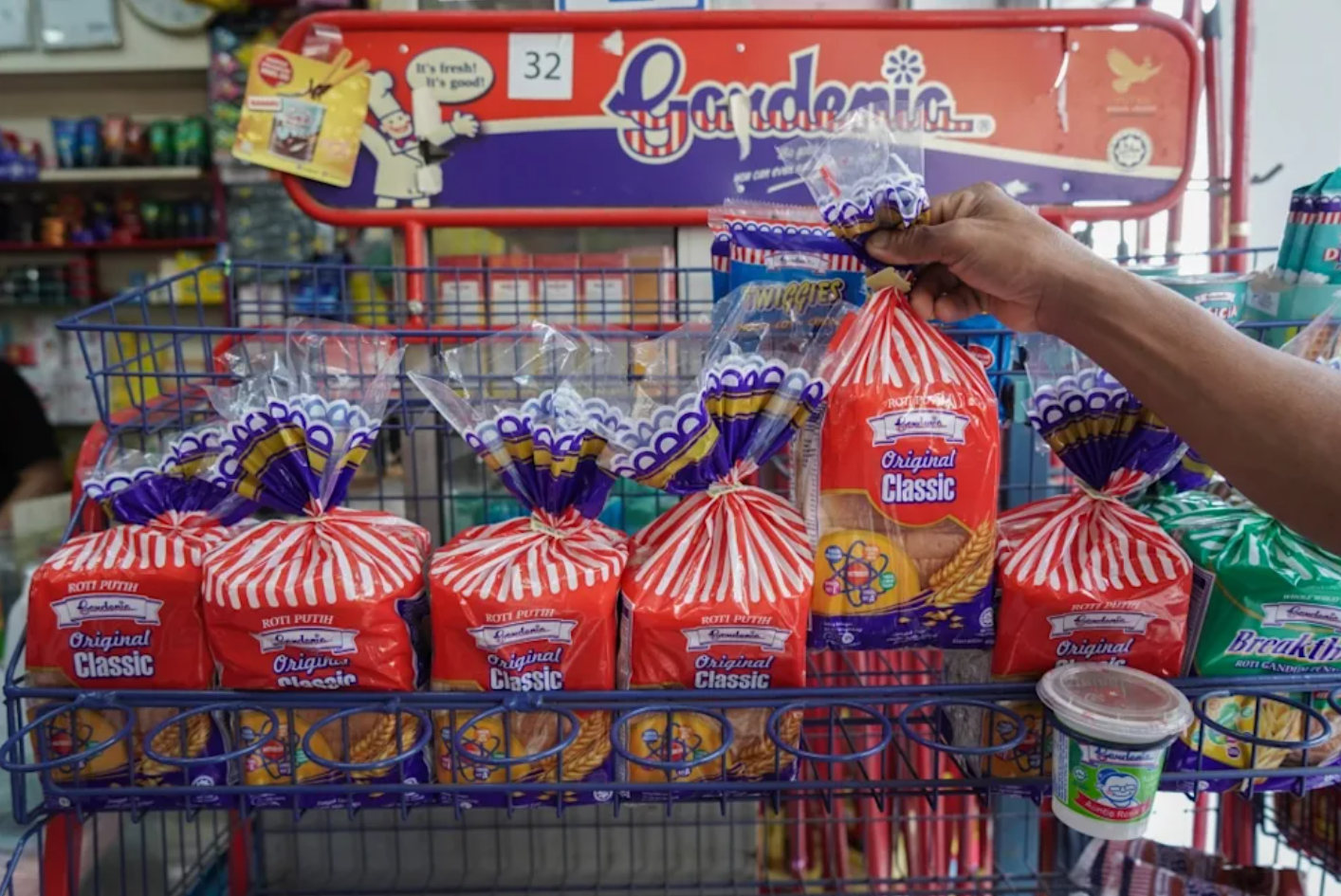
Take the wheat. Malaysia doesn’t grow wheat commercially so our millers have to import practically all of it, mainly from countries like Australia, Canada and the US. If a war disrupts a shipping route, a harvest goes bad or fertiliser prices shoot up somewhere overseas, the cost of that wheat can already be higher by the time it reaches our ports.
Then somebody has to actually turn that wheat into bread. Milling, mixing, baking and packaging all happen in factories that need machinery, electricity and gas. And once the loaves are ready, they still have to make their way from the factory to supermarkets and kedai runcits all over the country, which means trucks, drivers and plenty of diesel.
Even the plastic wrapper isn’t as simple as it looks. It’s made using petroleum based materials so it’s tied to the same global energy markets too.
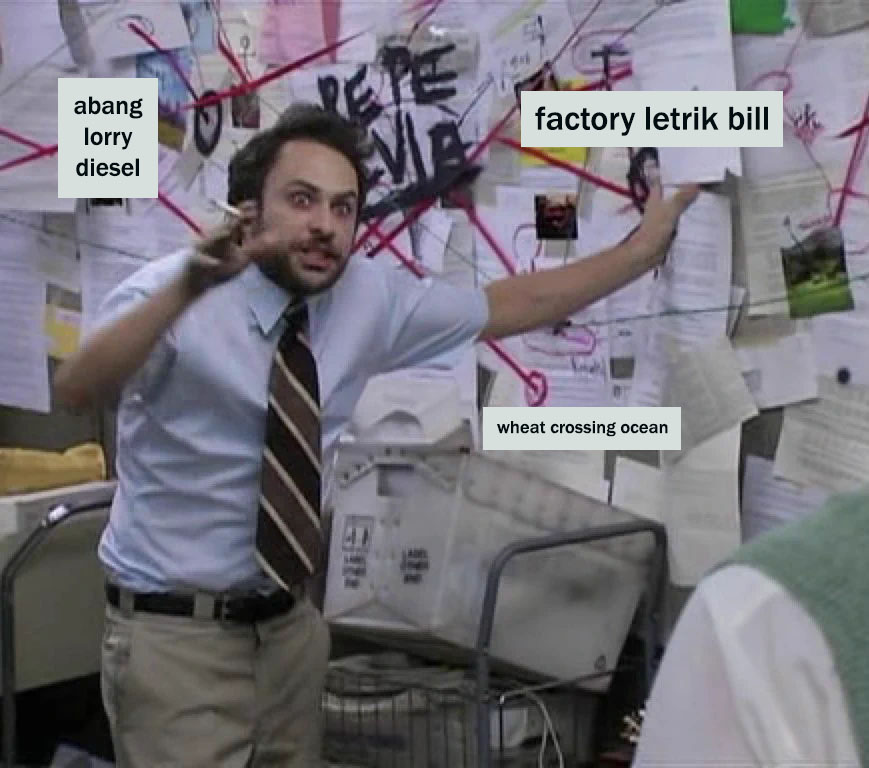
None of these costs necessarily make much difference on their own. Probably about a few sen here, a few sen there. The problem is when several of them get squeezed at the same time. Wheat, energy, fuel, packaging, freight and insurance can all be affected by the same global supply crisis, and suddenly that RM3 price can rocket into the stratosphere.
Eventually, somebody has to makan the bill. The producer can absorb some of it, but sooner or later, it usually makes its way to you at the cashier.
But hang on, these added costs aren’t really showing up in our receipts so have the companies somehow miraculously generously decided to absorb all of it themselves?
Turns out, the government has been helping foot the bill
So in short;

Local companies haven’t suddenly discovered a sudden urge to do charity 💔.
Remember that long chain we just followed? Somewhere along the way, the government has been stepping in to cushion some of those costs before you even buy the product. Tan Sri Mohd Hassan Marican, who chairs the Crisis Management Task Force under the National Economic Council, believes this is exactly why Malaysia has held up better than most other countries.
“Had the government not proactively pursued fuel subsidy reforms over the past two years, Malaysia would find itself in a far more precarious position today,” – Hassan Marican via Malay Mail
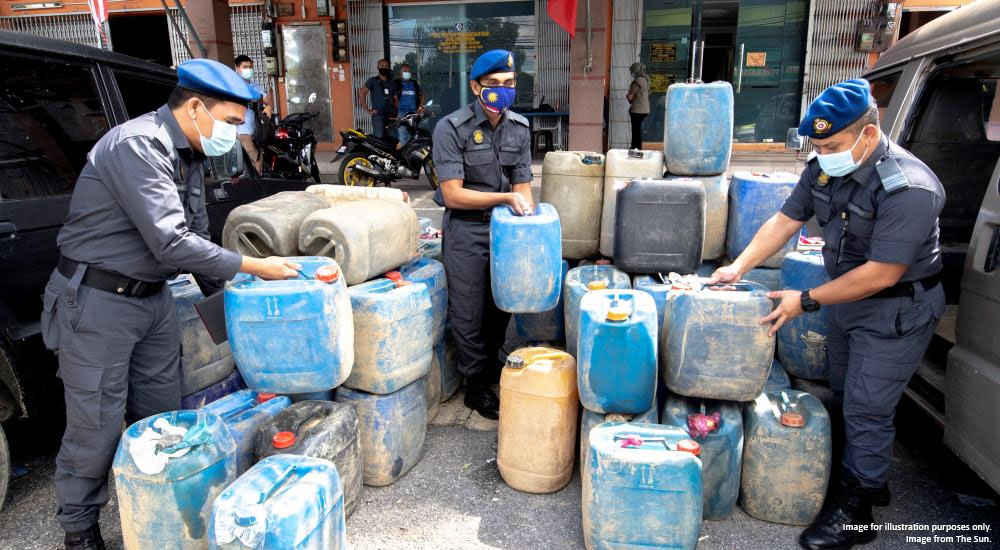
And these reforms didn’t happen overnight either. Previously, we had a lot of blanket subsidies that kept things dirt cheap for everyone, including foreigners and smugglers who could make a tidy profit by exploiting the price gaps. Over the past few years, those subsidies have been gradually reformed towards making sure those benefits stay with Malaysians.
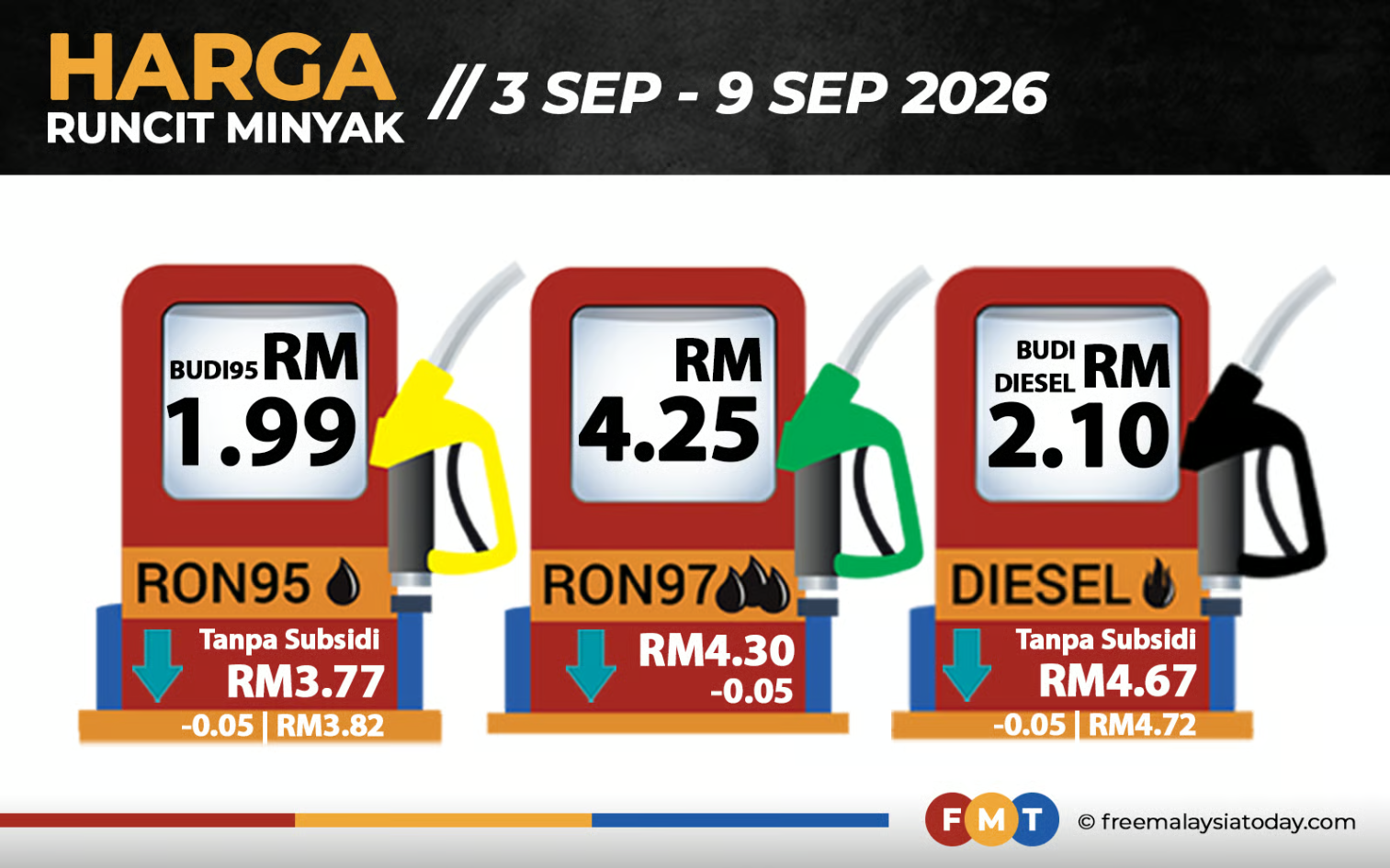
So where exactly is all this cushioning happening? Among the bigger ones are:
- Fuel Subsidies (SKDS & BUDI MADANI): Transporting goods costs money and most commercial fleets run on diesel. To stop those costs from being passed straight on to consumers, programmes like the Subsidised Diesel Control System (SKDS) give eligible commercial vehicles access to subsidised diesel. Meanwhile, BUDI MADANI cushions the fuel shock at the consumer end.
- Direct Cash Relief (STR & SARA): Instead of trying to control the price of every item at the supermarket, programmes like Sumbangan Tunai Rahmah (STR) and Sumbangan Asas Rahmah (SARA) put extra money directly in the hands of people who need it most. Whatever costs still make it through the supply chain, they have a little more room to absorb them. For eligible households, that’s up to RM4,600 a year through STR and SARA combined, which can go a fair way when everyday expenses start adding up.
- Price Monitoring (PriceCatcher): KPDN’s PriceCatcher lets consumers compare everyday prices across retailers while helping authorities track prices more closely and investigate potential anti-profiteering. Basically, that means businesses shouldn’t be using cost increases as an excuse to whack up prices way beyond what’s reasonable.
Interestingly, these three work at completely different points in the chain. One helps cushion costs upstream, one gives households a bit more breathing room downstream and one keeps an eye on what happens in between.
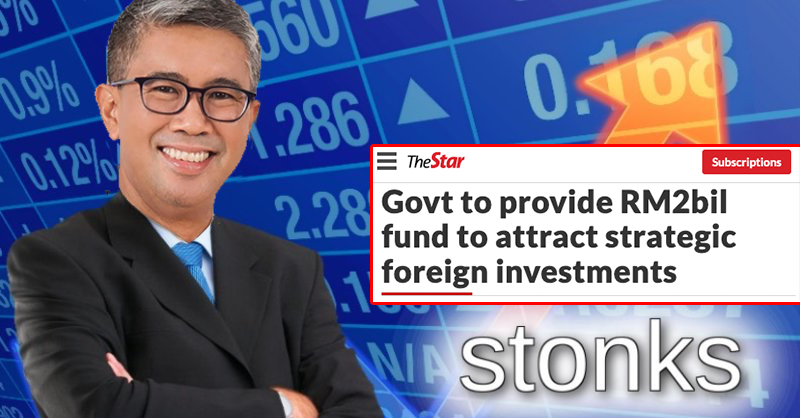
Also, trivia time, because we couldn’t help but be a little impressed by this- part of the money for all this cushioning stuff actually came from letting go of some of those older, blanket subsidies. By floating chicken and egg prices instead of controlling them and tightening up on fuel leakages, the government said they freed up more than RM15.5 billion a year. That money gets funnelled right back to Malaysians through the petrol subsidy and cash assistance schemes.
Admittedly, it’s a neat trick on paper, but it also means the whole system only holds together for as long as those savings keep flowing in. As someone famous once said, There’s no such thing as a free lunch 💸💸.
Subsidies don’t come free and they won’t last forever
To put it simply, our subsidies aren’t a free-flow buffet. Someone has to pick up the tab and that someone is the government’s own coffers.
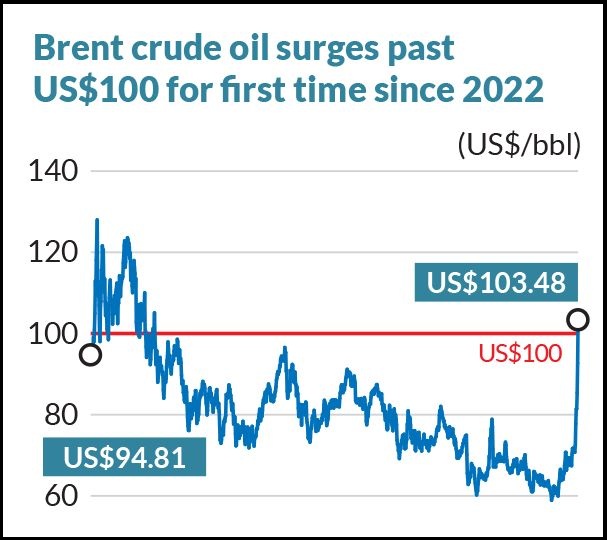
While there were kisses and hugs all around when we heard our petrol quotas were coming back, in truth, restoring the higher RON95 and diesel quotas alone added around RM5 billion to the subsidy bill, according to Bank Muamalat chief economist Dr Mohd Afzanizam Abdul Rashid. If crude oil stays above US$100 a barrel, that bill could climb past RM40 billion, more than double the RM15 billion originally budgeted for 2026. And it’s only going to add up the longer this crisis drags on.
So while we’re all fine and dandy filling up our tanks, the government is more like that duck gliding calmly across the water while its feet are paddling like mad underneath.
According to Sunway University economics professor Dr Yeah Kim Leng, the restored 300-litre quota should comfortably cover the 90% of Malaysians who use less than 200 litres of petrol a month anyway. The higher limit also gives a bit more leeway to people who spend more time on the road like farmers, commercial drivers and e-hailing workers.
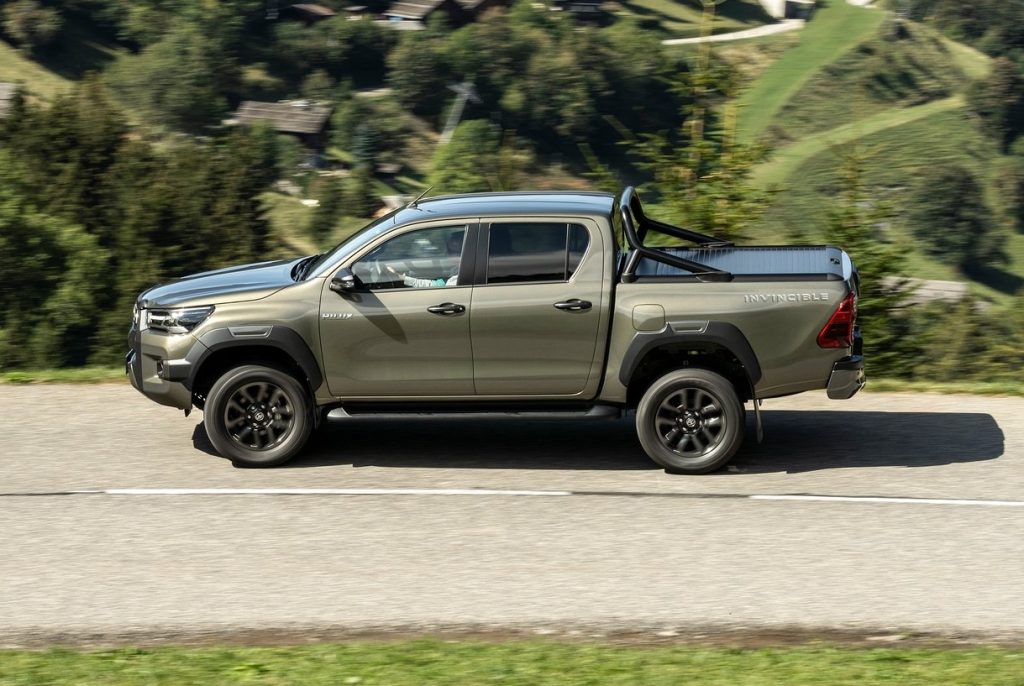
But of course, fuel subsidies are only useful if you drive. If you don’t own a car, this is where cash aid schemes like STR and SARA can give you a more direct helping hand with everyday expenses. So between the two, there’s a bit of support coming from different sides.
Which is exactly why what you do on your end still matters
Across everything Hassan Marican has said on this crisis, he’s been consistently making the point that it isn’t on the government alone to build national resilience. It also depends on ordinary Malaysians adjusting how we think and plan.
“In this environment, every adjustment matters, whether it is optimising our travel, cutting down on electricity and fuel waste, building smarter logistics chains, maximising public transport, or simply being more deliberate with household spending. Every bit of efficiency helps shield our economy from these global pressures,” – Hassan Marican via Bernama
This matters because we can’t really plan around the idea that everything will be back to normal in a few months. And on that note, if you’re wondering whether normal is feasible anytime soon, probably not kot. Global supply chains are still dealing with wars, shipping disruptions and energy prices and those problems don’t exactly disappear overnight.
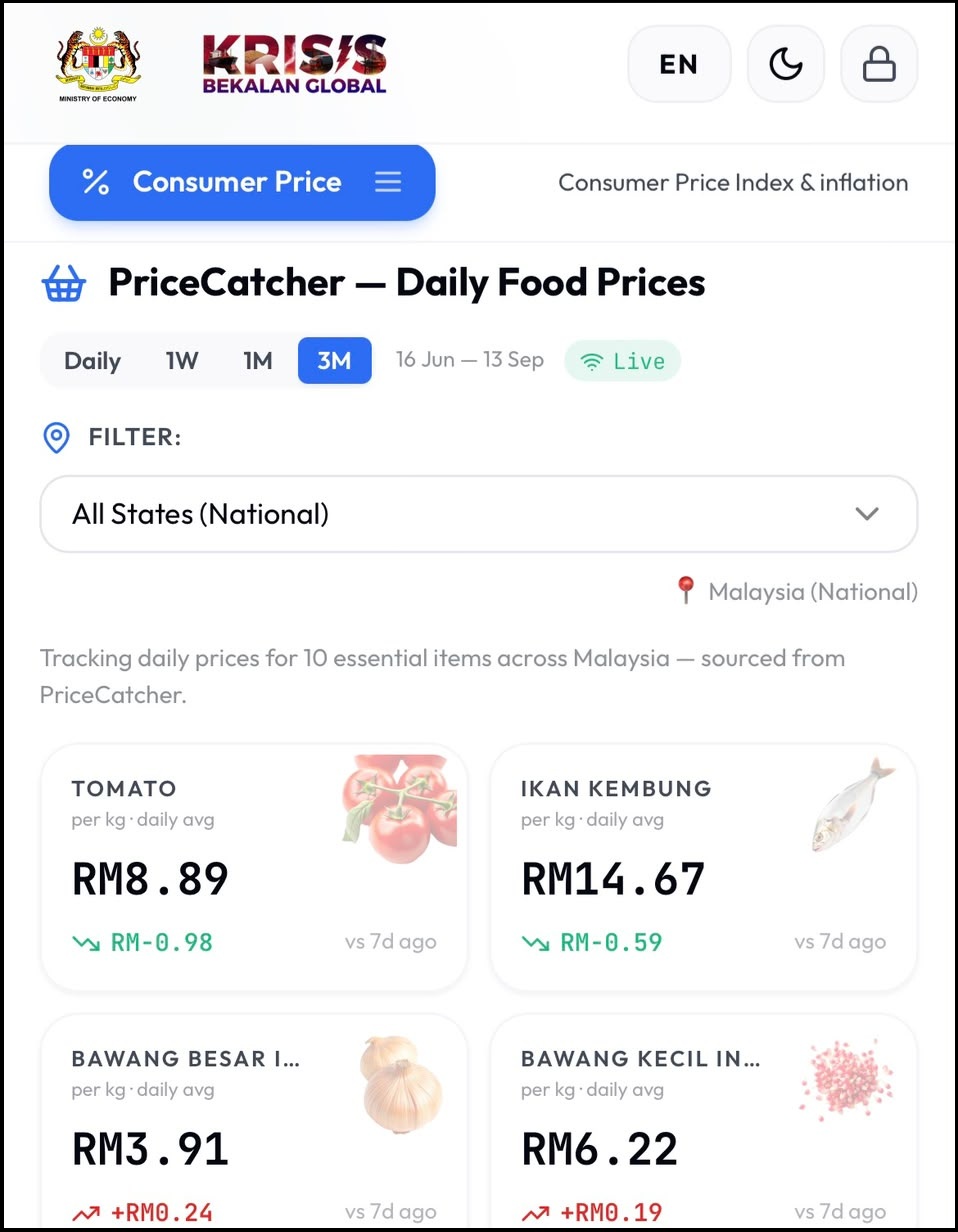
That doesn’t mean we need to start stockpiling rice and canned tuna or god forbid, toilet paper. It just means being a little more prepared for prices to stay unpredictable. Having some money set aside for a rainy day, cutting down on unnecessary fuel and electricity use, or being a bit more careful about where your money goes can make a difference when those extra costs start adding up. Or to spell it out a bit more,
- Cabut the plugs when you’re not using them
- Plan your driving routes so you’re not burning extra petrol or carpool when you can
- Take public transport when it makes sense
- Meal prep or shop with a list so less food ends up going to waste
- Use the PriceCatcher app to compare prices and see if there’s a cheaper option nearby
And if you want to keep tabs on how things are developing, official sources like pantaukrisis.gov.my and MTEN’s social media pages are a better bet than whatever’s trending on your FYP (source: trust us, bro).
- 15Shares
- Twitter1
- Email1
- WhatsApp13